
 EN
EN
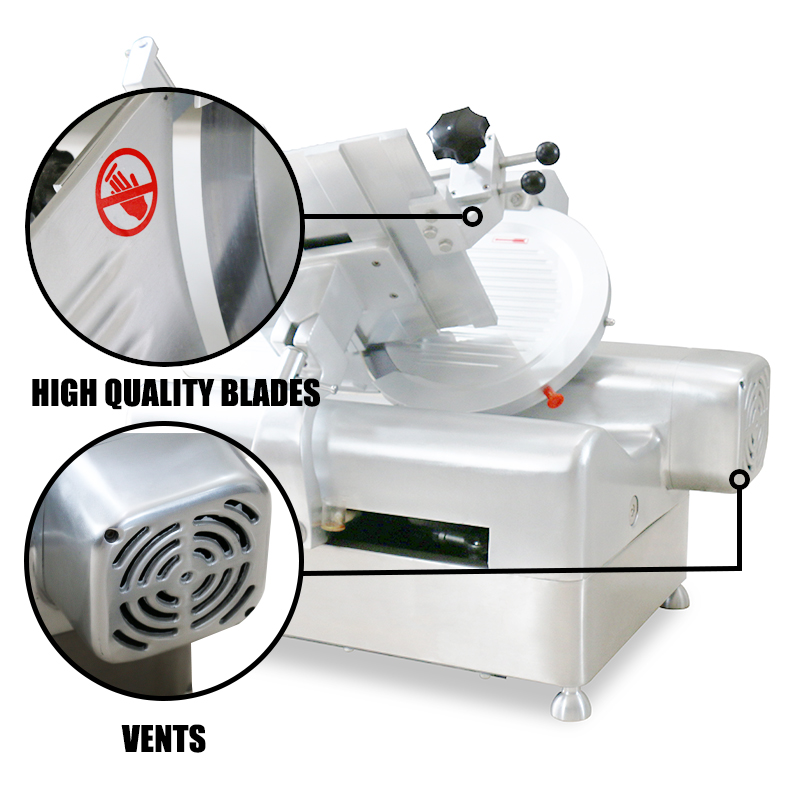
Boosting Kitchen Efficiency and Throughput with Automatic Slicers
Cutting Prep Time by Up to 65% During Peak Service Hours
When dinner rush hits full force in busy restaurants, automatic slicers really shine by cutting down on those tedious prep tasks that slow everything down. The numbers speak for themselves too restaurants report slicing speeds that are around 65 percent faster than what kitchen staff can manage manually. This makes all the difference for menu items that need perfectly sliced meats or veggies for presentation. And let's not forget the practical benefit either. With these machines handling the slicing work, kitchen crews actually gain back about 30 extra minutes each shift. That might not sound like much, but it gives staff precious time to focus on customers instead of getting stuck behind the counter during peak hours when every minute counts.
Throughput Advantage: 200+ Slices Per Minute vs. Manual Limitations
Industrial-grade automatic slicers process 200+ slices per minute with consistent precision—more than quadruple the 50-slice/minute ceiling of manual slicing. This throughput supports continuous sandwich assembly without workflow interruptions. Reduced physical strain also lowers fatigue-related errors by 40%, ensuring reliable output across extended service hours.
Ensuring Precision, Consistency, and Portion Control
Uniform Slicing Across Deli Meats, Cheeses, and Vegetables
Automatic slicing machines cut through all sorts of ingredients with near perfect accuracy, from thin prosciutto slices to tough carrot chunks, thanks to their precisely adjusted blades that take out the guesswork of human hands and angles. The result? Food cooks more predictably, looks better when plated professionally, and guests generally seem happier with their meals. Take salami for instance - those 0.5mm thick slices stay together nicely on charcuterie boards without falling apart, whereas cheese cut into 3mm pieces tends to melt much more evenly in sandwiches. Restaurant staff who've made the switch often mention seeing around 90% fewer complaints about weird texture issues coming from customers these days.
Reducing Food Waste by 12–18% Annually Through Automated Portion Accuracy
Weight sensors that come pre-programmed along with portion control settings help stop the problem of serving too much when dealing with expensive menu items such as smoked salmon or fancy cheeses. The built in scales can actually measure down to just one gram difference which is way better than what happens manually most of the time, where people tend to give out around 15 to 20 percent extra. Restaurant owners report saving roughly eight thousand two hundred dollars every year simply from cutting back on wasted ingredients. And this isn't just good for their bottom line either. Less waste means lower disposal costs too, something that really matters considering how much food gets thrown away across America's dining scene. According to ReFED research from 2022, we're talking about twenty-five whole billion dollars lost through waste annually. Plus there's another benefit too. These systems track how much stuff gets used day to day, making it easier for chefs to buy exactly what they need for perishable goods without guessing games involved.
Automatic Slicer ROI: Labor Savings, Safety, and Long-Term Reliability
Lowering Labor Costs and Workplace Injuries by 40% with Integrated Safety Features
Automatic slicing machines take a lot of the manual work out of food prep and keep workers safer too. Most models come equipped with things like automatic feeding systems and protective shields around the blades, so hands stay away from dangerous cutting areas. According to recent studies in food service safety, workplaces using these machines report around 40% fewer accidents compared to those still relying on traditional methods. And when we look at the bottom line, restaurants save money as well. Take for instance a major fast food brand across the country. After installing these slicers in their kitchens, they managed to cut down on labor costs by nearly $60,000 each year just during busy hours alone.
Durability and Uptime Performance in High-Demand Restaurant Environments
Commercial grade automatic slicers built to last have hardened steel parts that can handle over 18 hours straight each day without messing up the slice quality. Looking at the big picture, these machines save around 30 percent on maintenance expenses compared to manual ones because blades just don't wear out as fast or need replacing so often. Restaurants that follow the maintenance schedule from the factory typically see their industrial models running reliably about 98% of the time. Foodservice equipment reports back similar findings, which means operators can count on these slicers staying online when it matters most like during lunch rushes or dinner service when customers expect consistent portions without delays.