
 EN
EN
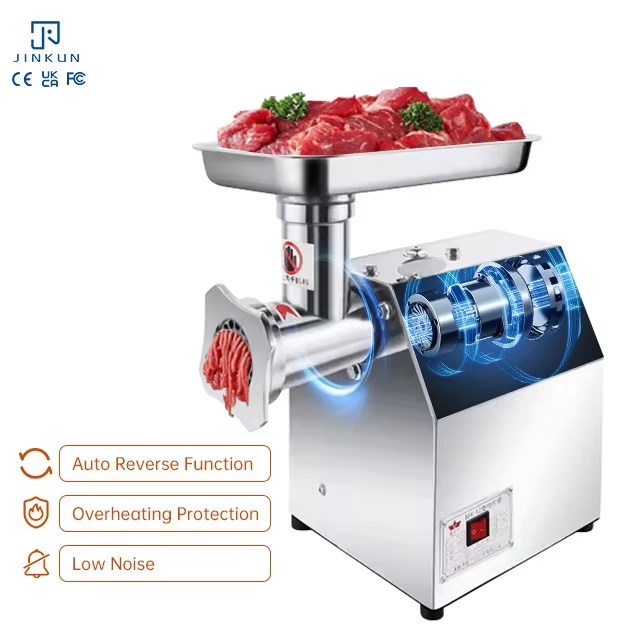
חיסכון בעלויות באמצעות שימוש אסטרטגי בחתיכות בשר קשיחות יותר
המרת חתיכות בשר זולות לمنتجات פרימיום רכות
א מכונת רכות בשר מאפשר לעסקי מזון ביתיים להמיר נתחים קשים וידידותיים לתקציב - כמו צ'אק צ'אק, סטייק בלייד או בשר בקר - למוצרים רכים באופן עקבי המתחרים במוצרים יוקרתיים. על ידי פירוק מכני של סיבי קולגן ואלסטין, מכשירים אלה מבטלים את העבודה עתירת הזמן והלא עקבית של טחינה ידנית, תוך מתן מרקם אחיד בכל אצווה. תהליך זה מגביר את ספיגת המרינדה בעד 40%, ומעמיק את הטעם ללא שדרוגים יקרים של מרכיבים. מחקרי ייצור בקנה מידה קטן מראים כי מפעילים משיגים שולי רווח גבוהים ב-12% על ידי החלפת נתחים במחיר של 3-5 דולר לפאונד - שלעתים קרובות נזרקים על ידי מסעדות יוקרתיות - בחלופות יוקרתיות, והכל תוך שמירה על איכות נתפסת.
מזערת ביזבוז על ידי מקסום התפוקה השימושית מכל חתיכה
טכנולוגיית עיבוד מדויקת לмяמיה מביאה להפחתת פסולת החיתוך על ידי הבטחת הפקעה מקסימלית של חומר שימושי מכל קבוצת שרירים. בניגוד לשיטות ידניות שבהן לחץ לא אחיד יוצר פסולת בלתי ניתנת לשימוש, מערכות מחטים או סכינים אוטומטיות מעבדות באופן אחיד את כל החתיכות — ומשנות עד 98% מהחומר הגלמי למוצר שמתאים למכירה. תהליך זה דומה לעקרונות האופטימיזציה התעשייתית של חומרים, שבהם עיבוד מדויק מקטין את יצירת הפסולת ב-12% (כתב העת ליעילות חומרים, 2023). לעסקים ביתיים, זה מתורגם ל-15–20 מנות נוספות לכל נבלה, מה שמפחית משמעותית את עלות החלבון ליחידה. בשילוב עם תאימות לבשרקפוא, המפעילים שומרים על גמישות מלאי תוך הפחתת אובדן הפסולת עקב התקלקלות.
הפעלות מזורזות לייצור עקבי של מגרעות קטנות
הפחתת זמן העבודה והמאמץ הפיזי בהכנה היומית
אוטומציה של תהליך הריכוך עם מכונת ריכוך בשר מפילה 45–60 דקות של הקשה ידנית למגרה של 10 פאונד — מה שמשחרר את יזמי הבית למשימות שיוצרות הכנסות, כגון שיווק, מילוי הזמנות או מעורבות עם הלקוחות. יישום מכאני של לחץ דורש 80% פחות מאמץ גופני מאשר שיטות המקל המסורתית, ומביא להפחתת טעויות הקשורות לעייפות במהלך ישיבות הכנה ממושכות. השיפור הזה ביעילות מאפשר למקרוביזנסים להרחיב את התפוקה ב-30–50% ללא הוספת כוח אדם — יתרון קריטי במטבחים ביתיים, שבהם מגבלות בשטח מגבילות את אפשרויות העסקת עובדים.
אשורה של אחידות טקסטורלית בין מגרות
עומק חדירה מדויק של המחט מבטיח תוצאות אחידות של רך בשר לאורך כל סדרת ייצור, ומעביר את השונות בטקסטורה של 27% הנפוצה בשיטות ידניות. עקביות מכנית זו משנה את חוויית הלקוח: כאשר לקוחות מקבלים ברייסקט או סטייק פלנק שוטף-חמאה באופן אחיד עם כל הזמנה, שיעור החזרות עולה ב-19%, על פי נתוני המסחר הקולינרי לשנת 2023. אמינות שכזו בונה סמכות מותג לעסקים המופעלים מהבית אשר מתחרים מול מטבחים מסחריים – והופכת את היכולת לחזות את הטקסטורה לסמן איכות ייחודי שמצדיק מחיר פרמיום.
| גורם העקביות | שיטה ידנית | ריכוך מכני |
|---|---|---|
| שונות בטקסטורה | 22–27% | מתחת ל-5% |
| השפעה על שיעור החזרות של הלקוחות | ירידה של 12% | עלייה של 19% |
| אפשרות למתן מחיר פרמיום | כך שהפלדה | גבוהה |
עיצוב מאופנן לבית: שטח, בטיחות ופשטות
גודל קטן ותפעול מיידי (Plug-and-Play) למטבחים פרטיים
ממתנים מסחריים לבשר ממליאים את המטבחים הביתיים, אך דגמים המיועדים במיוחד תופסים פחות מ-1.5 רגל רבועה — קטן יותר מרוב מערבים עומדים. היעד המותאם של הדגמים האלה תומך באפשרויות אחסון אנכיות כמו התקנה מתחת למדף, מה שמבטל את הצפיפות במרחב העבודה. פונקציונליות פשוטה מסוג 'הכנס והפעל' אינה דורשת עבודה חשמלית מיוחדת, ומאפשרת הפעלה מיידית לאחר פתיחת האריזה. על ידי שילוב חלקי עם מכשירי המטבח הקיימים על הסורגים, פתרונות חיסכון בשטח אלו ממירים מטבחים ביתיים צפופים למוקדי עיבוד יעילים — ללא צורך בביצוע שיפוצים או הפרעה לזרימת העבודה.
שלטים אינטואיטיביים ותכונות בטיחות מובנות למשתמשים שאינם תעשייתיים
בניגוד ליחידות תעשייתיות שדורשות הכשרה טכנית, מודלים לבית משתמשים בפאנל בקרה עם סיבוב אחד ומדדי תחושת מרקם חזותיים—מה שמפחית את השגיאות של המפעיל ב-57% (מחקרים על ארגונומיה במטבח, 2022). כיבוי אוטומטי מופעל אם הידיים חורגות מאזור הבטיחות, בעוד מכסות נעילה שקופות מונעות גישה אקראית ללהבים במהלך המחזורים. אמצעי האבטחה האלה מאפשרים לשפים ביתיים להשיג עקביות ברך רך ברמה של מסעדות—ללא כישורים מיוחדים—ומגינים על האצבעות ומסירים את מחסום החשש מהשימוש היומי.
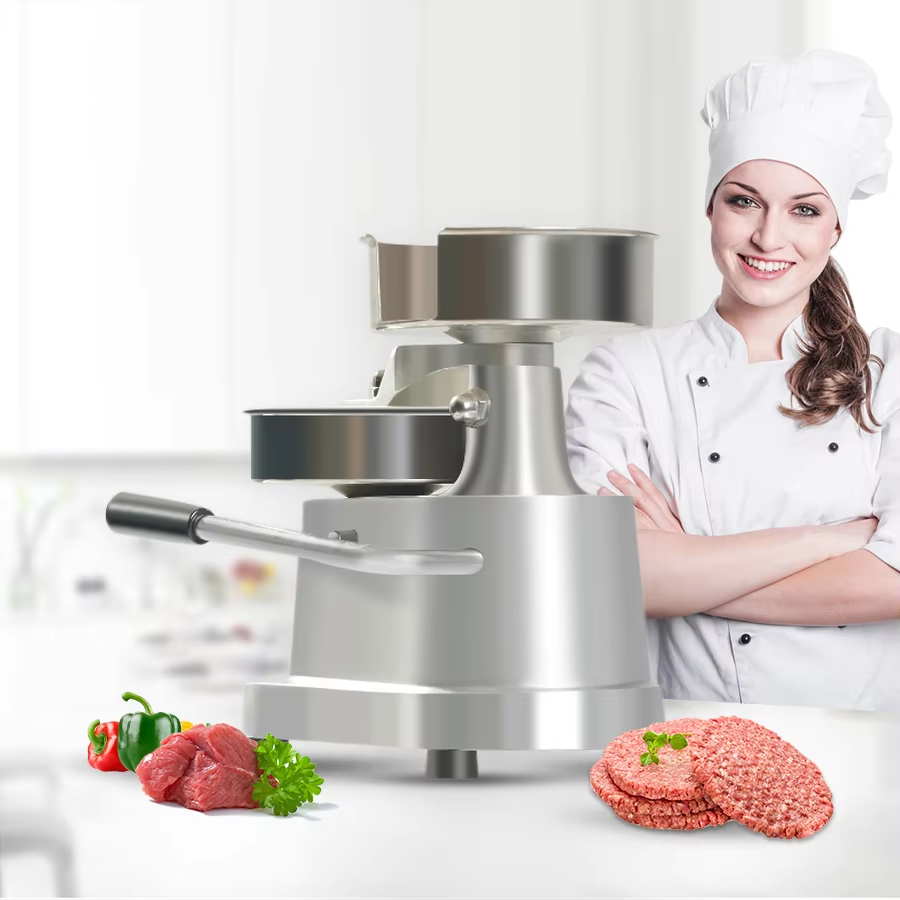
העלאה של ההבחנה בין המוצרים באמצעות שליטה במרקם ובטעמים
הגברת חדירת המרינדה והתחושה בפה למוצרים ביתיים ממותגים
מכונת עיבוד בשר יוצרת תעלות מיקרוסקופיות שמאיצות את ספיגת המרינדה עד ב-70% בהשוואה לשיטות ידניות. חדירה משופרת זו מאפשרת לייצרנים ביתיים לפתח פרופילי טעם ייחודיים—כגון עוף מעושן בעשבים או בקר במרינדה של סויה וזנגביל—עם עומק אחיד בכל מנה. במקביל, הפירוק המדויק של רקמות החיבור על ידי מכונה הופך חתיכות קשיחות לטקסטורה רכה וחלקה כחמאה, מה שמעלים את האיכות הנ perceived. תחושת הפה הימית הופכת לגורם מבדיל מוחשי של המותג: הלקוחות חווים צלעות קצרות שנמסות בפה או בשר חזיר מפורק ללא חוטייות—מה שמאפשר למטבחים ביתיים אומנותיים להתחרות בהצעות מסחריות רק על פי המראה החושי.
מאפשרת ניהול גמיש של מלאי עם תאימות לקיפאון ולחresco
המכונות הללו שומרות על עקביות בביצועים הן בעיבוד חלבונים טריים והן בעיבוד חלבונים מוקפאים—יתרון קריטי לפעולות באצווה קטנה. יזמים ביתיים יכולים לרכוש באופן אסטרטגי חתיכות זולות של בשר קפוא בזמן ירידות המחירים העונתיות, למתוח אותן לאחר התנתקות ללא פגיעה בטקסטורה, ולפזר את הייצור בהתאם להזמנות הנכנסות. האינטראקציה הזו בין חומרים קפואים וטריים מפחיתה את סיכוני הפסד על ידי הסרת הלחץ המוטל על מלאי טרי ל„להשתמש או לאבד”. יצרן אחד תיעד הפחתה של 30% בפסדי הבשר לאחר יישום הגישה הזו—מה שהביא לשיפור ישיר בשליטה בה.Margin ובהתמרה של המלאי ממרכז עלות לגורם תחרותי למותגים מבוססי בית.