
 EN
EN

Daily Light Cleaning: FDA-Compliant Hygiene to Prevent Contamination
Regular daily cleaning of your meat slicer is fundamental to preventing foodborne illnesses and ensuring compliance with strict hygiene standards. Immediate action after use stops bacterial buildup before it becomes a hazard.
Why Immediate Post-Use Wipe-Downs Disrupt Biofilm and Meet the FDA 4-Hour Rule
Getting rid of residue from the slicer immediately after using it stops those pesky biofilms from forming. These are basically clusters of microbes sticking to surfaces that just won't budge with regular cleaning methods. The truth is, these biofilms start growing pretty fast sometimes within just two hours making things way more dangerous for anyone handling food. According to the FDA Food Code from 2022, restaurants need to clean all food contact areas within four hours max otherwise pathogens could spread like wildfire. When staff wait too long past that deadline, there's a real chance of outbreaks happening which means recalls down the road. Just taking a few minutes to wipe everything down properly with the right kind of sanitizer gets rid of gunk before it becomes stuck forever. This simple step not only keeps inspectors happy but also prevents different foods from mixing together when busy serving lots of customers throughout the day.
Step-by-Step Procedure: Safe Disassembly, Surface Sanitization, and NSF-FDA Approved Agents
Follow this efficient daily routine to maintain hygiene without damaging components:
- Power down and disassemble safely: Unplug the slicer and wear cut-resistant gloves. Remove the blade, guard, and tray to access all surfaces.
- Wipe and remove debris: Use a damp microfiber cloth to clear visible food particles, focusing on crevices and gears where residues accumulate.
- Apply sanitizer: Spray or wipe with an NSF- and FDA-approved agent—such as quaternary ammonium compounds—which kill 99.9% of common foodborne pathogens without corroding stainless steel.
-
Rinse and air-dry: Rinse thoroughly with clean water and dry completely to prevent moisture-related corrosion or microbial growth. Reassemble only when all parts are fully dry.
This process takes under 10 minutes and uses mild, non-abrasive cleaners to protect slicer integrity while meeting regulatory expectations.
Scheduled Deep Cleaning & Mechanical Inspection for Long-Term Meat Slicer Reliability
Daily Deep Clean: Blade Removal, Gasket Integrity Checks, and Slide-Valve Degreasing
At the end of every work shift, it's important to take apart the entire slicer completely. Start by removing the blade while wearing those cut resistant gloves everyone insists on using these days. Then go ahead and clean every surface that can be reached with those FDA approved sanitizing solutions we've all been told about. Don't forget those hard to get at corners and joints either since that's exactly where those pesky biofilms tend to hang out. When putting everything back together again, make sure to check those gaskets carefully for any tiny cracks or signs they've lost their shape. If the seals aren't intact anymore, water will sneak in there eventually and cause all sorts of rust problems down the line. For those sliding valves, degreasing them properly with those special alkaline cleaners made specifically for food equipment keeps things moving smoothly without getting stuck. Some studies have shown that taking the whole thing apart every day cuts down on surface contamination by almost all of it, around 99%, which is pretty impressive when compared to just wiping surfaces quickly before closing up shop.
Weekly Maintenance: Lubricating Bushings and Valves with NSF H1-Approved Oils
It's important to apply NSF H1 certified food grade lubricant on those bushings, pivot points, and valve mechanisms once a week. Regular maintenance helps prevent metal fatigue where there's lots of friction and actually makes these parts last longer. Some studies suggest components can last around 40 percent longer when properly maintained over time. Stay away from petroleum based oils though because they tend to break down rubber gaskets and aren't safe for food contact areas. Once done with lubricating, give the slicer a few manual cycles just to make sure everything gets coated evenly before going back into regular operation. Getting this right keeps torque levels stable, puts less stress on motors, and generally speaking, means fewer breakdowns down the road.
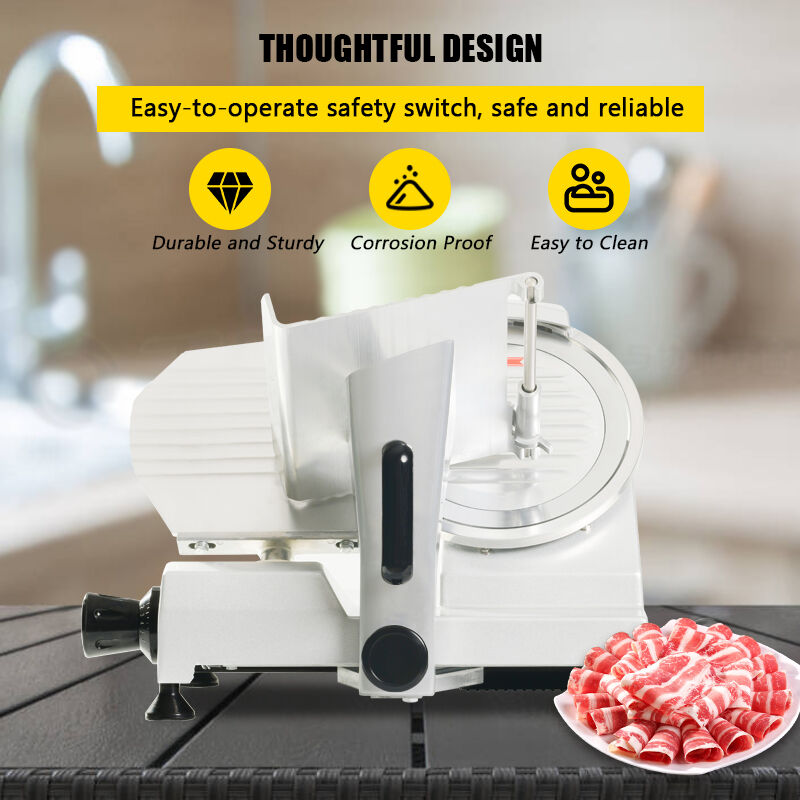
Blade Care and Sharpening Best Practices to Sustain Precision Slicing
Optimal Sharpening Frequency: 4–6 Hours of Cumulative Use Based on USDA-FSIS Data
USDA-FSIS guidelines recommend sharpening meat slicer blades every 4–6 hours of cumulative operation to sustain precision slicing and minimize safety risks. Dull blades increase friction, leading to inconsistent cuts, heat buildup, and surface damage that traps bacteria. Follow this protocol:
- Unplug the slicer and disengage the blade.
- Use manufacturer-approved sharpening stones at a 20°–25° angle.
- Apply even pressure across the edge, avoiding overheating.
- Verify sharpness using paper-cut testing.
Adhering to this schedule reduces unnecessary blade replacements by 15%–25% and extends overall service life.
Corrosion Prevention and Storage: Managing Acidic Residues on Stainless Steel Blades
Acidic residues from meats (e.g., cured or marinated products) and certain sanitizers accelerate corrosion on stainless steel blades—even high-grade alloys. Mitigate this threat through targeted post-cleaning steps:
- Rinse blades thoroughly with pH-neutral water or solution.
- Air-dry completely before reassembly—never store damp.
- Apply a thin coat of NSF H1-approved food-safe mineral oil to inhibit oxidation.
- Store vertically in breathable, non-porous covers to prevent condensation and physical damage.
These practices preserve edge integrity and prevent pitting between uses.
Warranty-Safe Maintenance: Aligning Best Practices with Manufacturer Requirements
Keeping a meat slicer under warranty means following the manufacturer's maintenance rules pretty much exactly. Restaurants need to keep detailed records of everything from regular cleanings to oil changes and blade sharpening, making sure they only use products approved by NSF standards as specified in the user manual. Skip even one step or forget to document something properly, and the warranty might not cover expensive parts like the motor or control system down the road. Create some sort of digital calendar to track when the warranty expires and when major service checks are due so replacements can happen before breakdowns actually occur. Standardized checklists work best for recording maintenance tasks including how often the machine gets sanitized, when lubricants were applied last, and when blades were last sharpened, ideally with timestamps added for each entry. These documents become crucial proof when filing warranty claims, showing the manufacturer that proper care was taken according to their guidelines. If problems pop up unexpectedly, getting in touch quickly while presenting a complete history of past services helps speed things along and keeps warranty coverage intact despite any early failures.
Table of Contents
- Daily Light Cleaning: FDA-Compliant Hygiene to Prevent Contamination
- Scheduled Deep Cleaning & Mechanical Inspection for Long-Term Meat Slicer Reliability
- Blade Care and Sharpening Best Practices to Sustain Precision Slicing
- Warranty-Safe Maintenance: Aligning Best Practices with Manufacturer Requirements