
 EN
EN
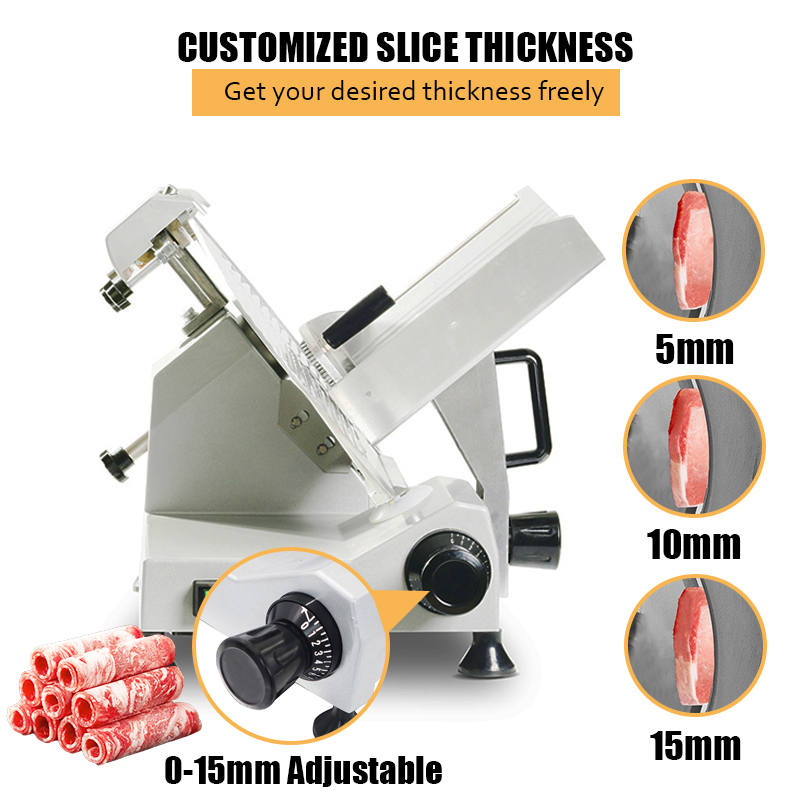
Precision Slicing for Brand-Consistent Portion Control
Adjustable Thickness Settings and Mechanical Repeatability for Uniform Charcuterie, Deli, and Retail-Ready Cuts
Meat shop startups get their portion sizes just right thanks to semi automatic slicers equipped with adjustable thickness settings and mechanical feeding mechanisms. These machines keep slices within about half a millimeter difference across all sorts of cuts displayed on charcuterie boards, arranged in deli cases, or packed for sale something that matters a lot when controlling costs and building customer confidence. The consistent cutting from these machines ensures each piece comes out exactly the same size, from super thin slices of prosciutto down to those thicker cuts of bacon we love so much. Meat shops report cutting down waste by around 20 percent compared to hand slicing techniques, plus they hit those tricky retail weight requirements consistently. New businesses especially benefit from this kind of precision since customers notice when products look uniform and professional, which ultimately signals quality and helps establish a strong brand presence in competitive markets.
Blade Geometry and Feed System Delivering ±0.3 mm Tolerance – Essential for Premium Positioning and Visual Branding
When the blade is set at just the right angle and the feed carriage balances itself out, we get slices that cut clean through without any tearing or squishing. The machine keeps things really tight too, staying within about 0.3 mm accuracy which is roughly what three pieces of paper would measure stacked together. That kind of precision means every piece looks good enough for display right off the production line. Artisan food companies love this because when their products look so consistently great on store shelves, customers are willing to pay more for them. No one wants to see those messy, uneven edges on something fancy like smoked salmon or aged steak cuts. Getting rid of those flaws helps position these products as premium offerings. In today's crowded marketplaces, having such precise cutting isn't just about function anymore it actually sells itself silently by making everything look so professionally presented.
Built-in Safety and Intuitive Operation for Small, Mixed-Experience Teams
Startup meat shops with diverse staff benefit immensely from semi-automatic slicers, which prioritize safety and user-friendliness to minimize risks and streamline operations in fast-paced environments.
NSF/ANSI 8–compliant safety features: auto-braking, tactile emergency stops, and full blade guarding
The parts that make these machines work have been built to meet strict food safety requirements, which helps keep operators safe when they're slicing through large volumes of product all day long. When something gets stuck, the auto brake kicks in right away to stop the blade cold, so there's no chance of getting hurt while making those fast cuts between orders. Emergency stops are designed to be touched rather than pulled, requiring just a gentle press to shut everything down quickly. Even someone who's never used commercial equipment before can reach them easily without struggling. The blades themselves stay fully enclosed behind protective guards at all times, meaning nobody has to worry about coming into contact with dangerous edges during routine maintenance or when clearing jams. According to industry reports, this comprehensive safety setup cuts down on kitchen injuries by around 60 percent in smaller establishments where staff levels vary from experienced pros to complete beginners.
Ergonomic manual feed override and simplified controls – cutting onboarding time by up to 40% vs. fully automatic slicers
What makes this machine so user friendly? Well, there's that handy manual feed override right there for when things need extra attention, especially important stuff like preparing those fancy cured meats in charcuterie boards. The controls themselves are pretty straightforward too, with big buttons and lights that tell everyone what's going on. New people can get the hang of operating it within just over an hour or so, which is way faster than dealing with all the complicated settings on automatic machines. Operators don't waste time figuring out complex programs anymore but instead spend their energy mastering actual slicing skills. For small businesses where staff turnover happens all the time, this means getting new workers productive much quicker. Less training translates into real savings at the end of the month while keeping operations running smoothly without unnecessary interruptions.
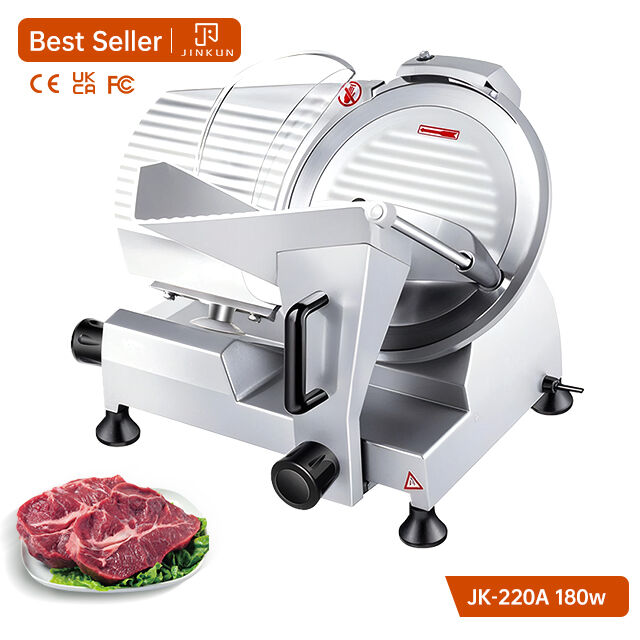
Optimized Physical and Operational Fit for Startup Kitchens
Most startup meat shops have to work with really tight spaces, usually around 200 to 300 square feet, and in such environments, every single inch matters when it comes to getting things done efficiently. That's why semi automatic slicers are becoming so popular among small operators. These machines take up about 30 to 40 percent less floor space compared to their fully automatic counterparts, which makes them fit nicely into those narrow galley kitchens or L shaped setups that many small butcher shops use. The way they're built lets owners place them right next to their prep areas without messing up the natural flow between cold storage, cooking surfaces, and packing stations. Unlike the big industrial models that need to be bolted down permanently, these slicers weigh under 150 pounds and run on standard electrical outlets, so they can be moved around easily when business needs change. For new businesses dealing with fluctuating customer demand, the simple mechanics mean these slicers can be set up quickly sometimes in just 15 minutes flat without all the hassle of complicated setup procedures or special wiring. And since they don't come with fancy computer controls or conveyor belts taking up extra room, they still manage to slice meats consistently enough to look good on display at the counter.
Strong ROI and Lower Total Cost of Ownership for Early-Stage Meat Shops
Startups working with tight budgets find semi automatic slicers offer real money saving benefits. These machines cost about half what full automation would require upfront, which means most businesses can recoup their investment within 8 to 12 months when running at normal production levels. The reason behind this quick return on investment is pretty straightforward mechanical design that doesn't need those costly PLC control systems or complex multi axis movement components typically found in higher end equipment. For small food processing operations looking to balance quality output with manageable expenses, these mid range options strike just the right balance between performance and affordability.
35–50% lower upfront cost than automatic slicers, with breakeven in 8–12 months at realistic startup volumes
Manual feed mechanisms and standardized components drastically reduce procurement expenses. Startups preserve liquidity while achieving identical slicing precision for charcuterie boards or deli displays.
Reduced maintenance burden: no PLCs or complex drive systems – ~60% lower annual service costs
With fewer electronic subsystems vulnerable to moisture or grease, mechanical reliability translates to ~60% savings on yearly upkeep. Technicians resolve most issues through belt adjustments or blade replacements–eliminating software diagnostics and specialized part orders.