
 EN
EN
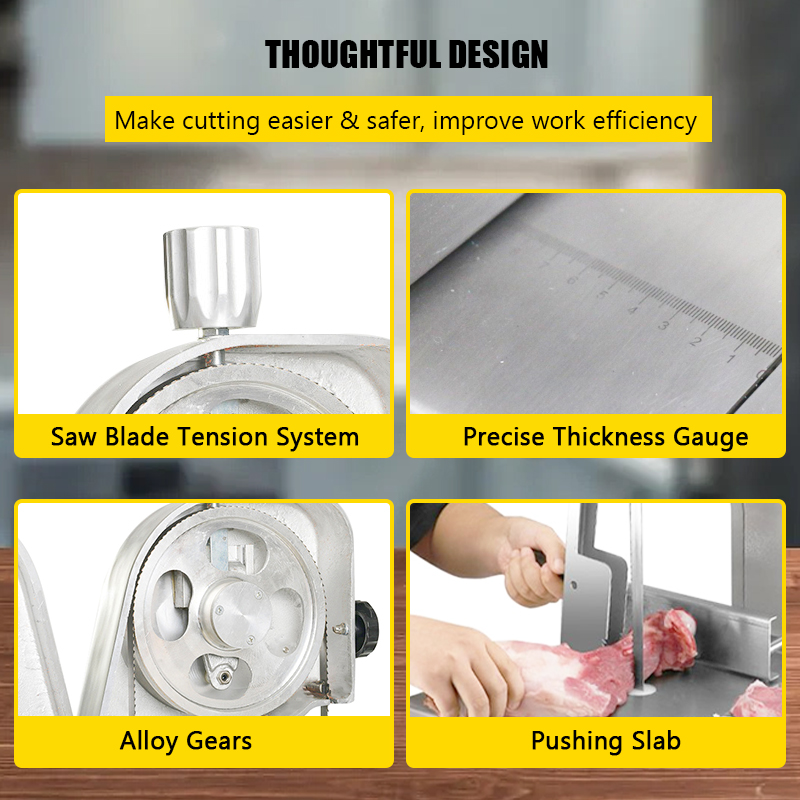
Blade Containment and Contact Prevention Systems for Bone Saw Machines
Guard Rings, Adjustable Blade Shields, and Feed-Angle Limiters to Eliminate Unintended Hand Contact
The physical barriers are what stops operators from getting hurt when working with bone saw machines. The guard rings wrap around the entire edge of the blade, and those adjustable shields move along with different cut depths so there's no need to keep adjusting them manually. Then there are these feed angle limiters that basically stop the blade from sticking out beyond certain cutting angles, which prevents accidental side or upward touches when moving materials around. All these safety features work together to keep hands away from where the blade actually cuts, no matter how someone positions their hand. Real world testing indicates these kinds of protective measures cut down on serious cuts by about 70 percent when compared to older models without proper guards.
Skin-Sparing Oscillating Blade Technology and Its Proven Reduction in Soft-Tissue Injury Risk
Most modern bone saws are moving away from old school reciprocating blades toward these newer oscillating models. What makes them work so well? They vibrate at around 8,000 to 15,000 times per minute, which lets surgeons cut through bone efficiently without damaging surrounding soft tissues that just bounce off the blade. Studies have shown something pretty impressive too these oscillating saws can reduce accidental damage to tendons and nerves by about two thirds during those inevitable little mistakes in surgery. And there's another benefit worth mentioning. Because they transfer less kinetic energy, any accidental contact with other parts of the body actually causes much less severe wounds than traditional saws would.
Operational Integrity and Real-Time Hazard Mitigation in Bone Saw Machines
Blade Stabilizers, Automatic Tension Monitoring, and Visual/Audible Integrity Alerts
Keeping operations safe really comes down to stopping mechanical problems before they get out of hand. The blade stabilizers we've been installing lately help reduce side-to-side movement while cutting, which cuts down on blade breaks quite a bit according to industry research somewhere around 70% give or take. We also have these tension monitoring systems now that constantly check how tight the blades are using those little strain sensors. When things start getting outside normal ranges by more than plus or minus 15%, the system lets everyone know through lights and sounds. Getting this kind of instant information means operators can fix issues right away before something goes completely wrong. Pretty important stuff too since snapped blades cause nearly 40% of serious injuries at meat plants according to OSHA reports from last year. For places where noise levels run high, our alert system combines flashing LEDs with pretty loud warnings that reach about 85 decibels, making sure workers actually notice them even when machines are running full tilt.
Emergency Stop Integration, Foot-Activated Controls, and Fail-Safe Braking Response Times (<0.5 sec)
Emergency protocols in high-end bone saws rely heavily on built-in redundancies for operator safety. The palm-activated emergency stop buttons sit no more than 15 cm away from where most surgeons grip the tool, while foot pedals let technicians shut down the machine instantly without dropping what they're holding - something that matters a lot when dealing with sudden kickbacks. These machines also feature fail-safe electromagnetic brakes that kick in around half a second after activation, stopping the blade dead before it can make dangerous contact with anything. Independent tests show some ISO certified models actually brake even faster, clocking in at just 0.3 seconds on average. When paired with dead man switches that need continuous pressure to stay active, all these features form multiple layers of protection. Many manufacturers now include foot controls for blade engagement too, keeping both hands free during surgery. This design choice lines up with NIOSH recommendations since studies indicate nearly two thirds of accidents involving surgical saws happen because operators place their hands in risky positions while manually starting the tool.
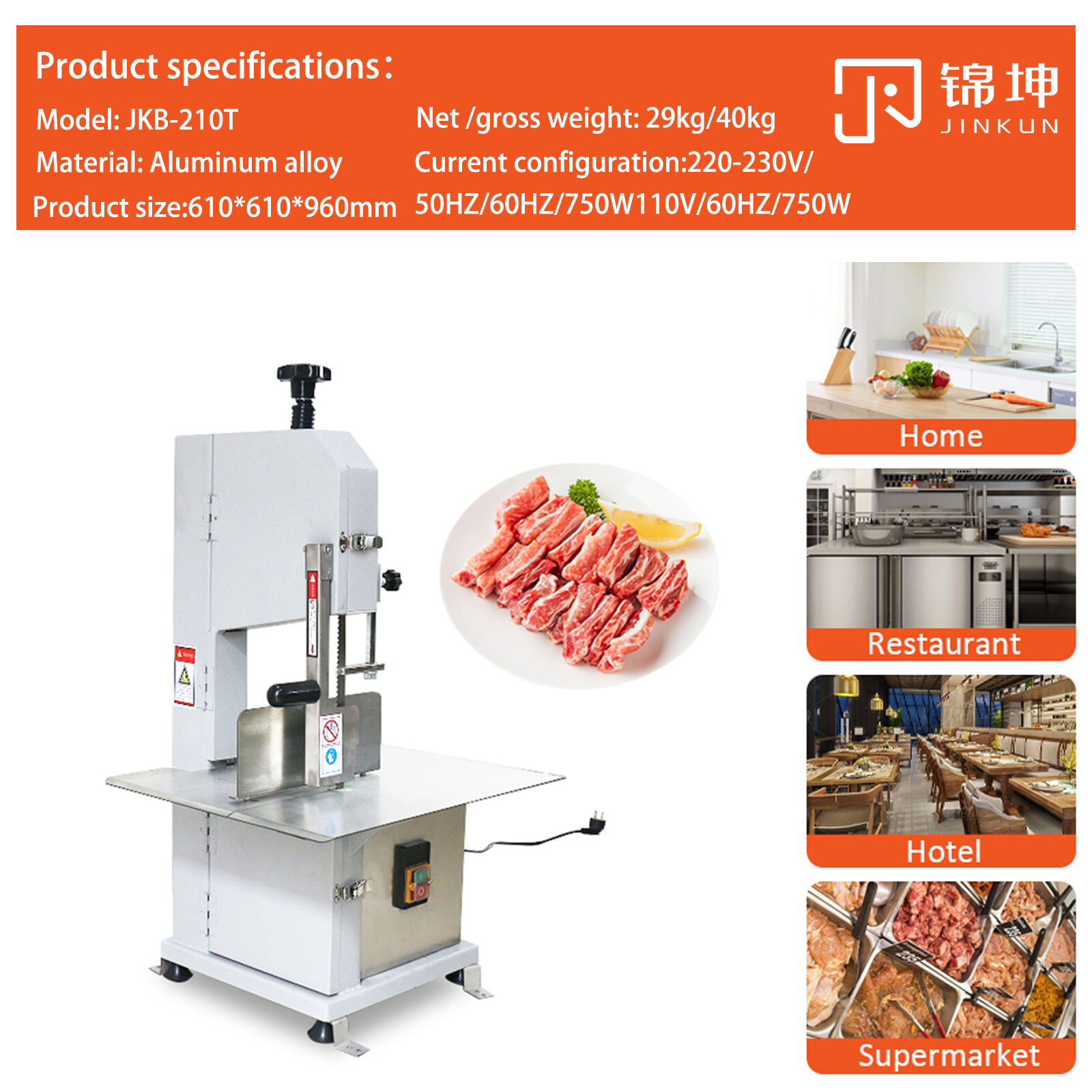
Respiratory Protection, Dust Management, and Regulatory Compliance for Bone Saw Machines
Integrated Bone Dust Vacuum Systems with HEPA Filtration and OSHA-Compliant Airflow Specifications
The best bone saw machines come equipped with HEPA filtered vacuums built right into the cutting head itself, grabbing dust particles before they can spread through the air. According to OSHA regulations, these systems need to trap at least 95% of dangerous bone dust particles, which means the suction must hit between 100 and 150 feet per minute inside those extraction hoods. This setup keeps workers safe from developing silicosis and other lung diseases since the filters catch particles down to 0.3 microns in size something regular dust masks just cant handle. Failing to meet these standards isn't just bad for health it costs money too. The latest OSHA guidelines from 2024 show fines going over $16,000 for each violation found during inspections. That's why smart shops invest in systems that warn when filters get clogged and constantly check airflow levels so problems get fixed before anyone gets hurt or written up.
PPE Interface Design: Built-in Eye/Face Shield Mounts and Respiratory Equipment Compatibility
Despite having good dust control systems in place, most workplaces still need workers to wear extra respiratory protection according to OSHA rules. The latest bone saw models come equipped with built-in N95 respirator clips and anti-fog face shields that sit right where operators naturally look when working, so they don't have to constantly adjust their gear mid-task. These machines also include ergonomic designs for powered air-purifying respirators (PAPRs) with special channels for routing hoses that keep everything from getting tangled up during operation. Combining these engineering features with proper PPE setup helps meet both the EU Machinery Directive 2006/42/EC standards and COSHH requirements regarding harmful substances. Plus, this approach actually makes a difference in practice since workers report feeling less tired after long surgeries because they aren't struggling with uncomfortable equipment all day.
Ergonomic Safety Engineering and Operator Fatigue Reduction in Bone Saw Machines
Good ergonomic design helps fight off operator fatigue in several ways. Tools with vibration absorbing handles, weights that balance out nicely in the hand, and parts that can be adjusted to fit different body types all make a difference. When someone works for long periods, these features cut down on the gradual build-up of strain. Some research suggests they might even lower the risk of hand-arm vibration syndrome (HAVS) by around 70%. The shape of the grip matters too. A well designed handle keeps wrists in a natural position rather than bent awkwardly. Anti slip surfaces are another plus since they stop fingers from gripping too tightly when things get slippery. Machines with low vibration motors also help maintain better concentration levels throughout the day. This matters especially in medical situations where even small hand tremors could affect patient care. We've seen actual improvements in both hospitals and factories after implementing these kinds of ergonomic changes.
Table of Contents
- Blade Containment and Contact Prevention Systems for Bone Saw Machines
- Operational Integrity and Real-Time Hazard Mitigation in Bone Saw Machines
- Respiratory Protection, Dust Management, and Regulatory Compliance for Bone Saw Machines
- Ergonomic Safety Engineering and Operator Fatigue Reduction in Bone Saw Machines