
 EN
EN
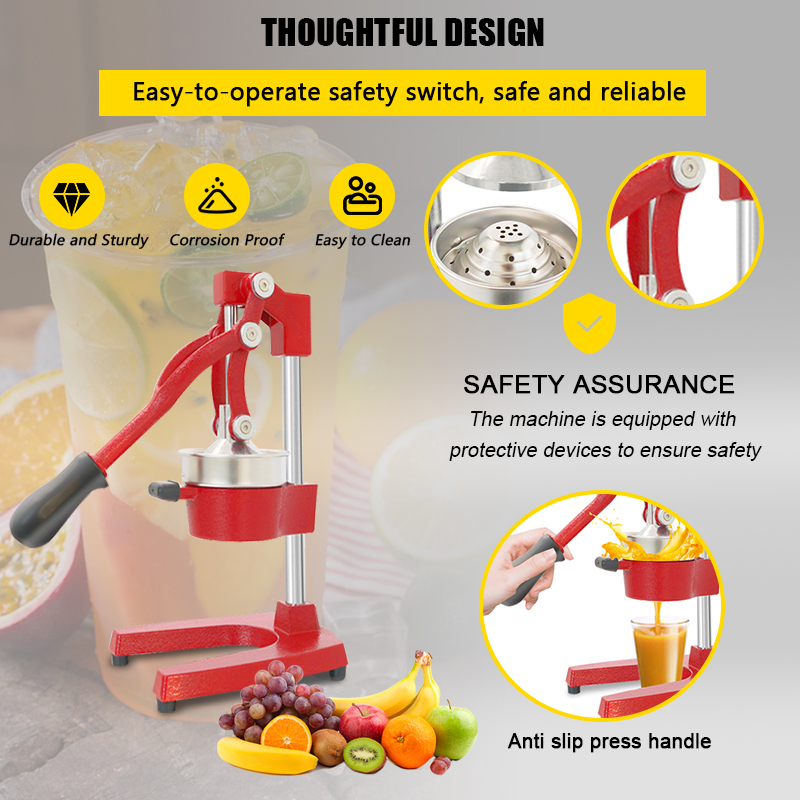
Operational Efficiency: How Juicer Series Cut Labor, Boost Yield, and Simplify Workflow
Reducing Peak-Hour Cycle Time with Dual-Mode Extraction (Cold Press + Centrifugal)
The latest generation of juicers really speeds things up when business gets busy thanks to their dual mode system. They can switch instantly from cold pressing those leafy greens to using centrifugal force for tougher stuff like apples without anyone having to mess around with tools. This cuts down on waiting time during peak hours by about 40 percent, which means shorter lines at the counter while still keeping most of the nutrients intact in whatever gets juiced. Kitchen staff can tackle special requests while regular orders go through, boosting output to roughly 60 extra glasses an hour according to what we've seen in actual restaurants over the past year or so.
22–35% Higher Juice Yield Improves ROI—Validated by 2023 NCA Foodservice Data
Newer juicers with advanced extraction tech squeeze out anywhere from 22 to 35 percent more juice from fruits and veggies compared to older models. This means restaurants spend less on ingredients while making more money from each batch they process. According to some recent industry numbers from the National Coffee Association in their 2023 report, these improvements actually translate into real cash savings for businesses. Operators are seeing around $270 saved every month just on citrus costs alone. And when looking at both reduced waste plus increased production volumes, most establishments recoup their investment in about 15 months give or take depending on usage levels.
One Juicer Series Replaces Multiple Specialized Units, Cutting CapEx and Floor Space
The new juicer line combines what used to require three separate machines all at once: centrifugal models, twin gear types, plus those specialized for citrus fruits. This cuts down on upfront costs somewhere around 35 to 50 percent while freeing up about half again as much kitchen space that was wasted on extra equipment. For businesses located in city centers where square footage costs an arm and a leg, this means saving roughly eighteen grand each year just by cutting down their footprint requirements. Plus there's less hassle overall when it comes time for maintenance since all these units share common parts and follow similar servicing routines. The whole operation runs smoother from start to finish without sacrificing any flexibility or product quality standards either.
Menu & Revenue Expansion Enabled by Versatile Juicer Series
From Cold-Pressed Beverages to Sauces, Dressings, and Cocktail Bases
The latest generation of juicers opens doors to all sorts of creative menu possibilities across categories. Cold press function makes those fancy bottled juices we see everywhere these days. The centrifugal setting works great for making large batches of cocktail bases quickly. Even the leftover tomato pulp can turn into decent house made sauce, while nuts get blended into rich vegan dressings right there on the spot. All this comes from just one machine! Restaurants are finding new ways to make money with this kind of setup. When they pair juice flights with their appetizers, customers tend to spend about 28% more per visit according to some numbers floating around. A recent market analysis showed something interesting too: nearly four out of five people want places where they can grab both fresh squeezed drinks and tasty food together. That makes having versatile equipment not just convenient but actually pretty smart business strategy these days.
Case Study: Urban Press Café's 41% Rise in Food-Margin Contribution Using Twin-Gear + Citrus Kit
A little coffee shop somewhere in the Midwest got creative when they brought in this twin gear juicer setup with those special citrus attachments. Now their lemonade comes together much faster than before, taking only about 30 minutes instead of an hour and a half. They even found a way to use all that leftover pulp in their morning muffins and afternoon granola bars. The same juicing machine let them start making some pretty unique dishes too, like blood orange vinaigrette drizzles and tangy grapefruit sorbet bowls, all without buying any extra kitchen gadgets. Eight months down the road, their bottom line looked better with food margins up around 40 something percent. Staff members who used to spend hours prepping now have extra time to chat with regulars, which probably explains why so many customers keep coming back week after week, maybe close to 20% more than before.
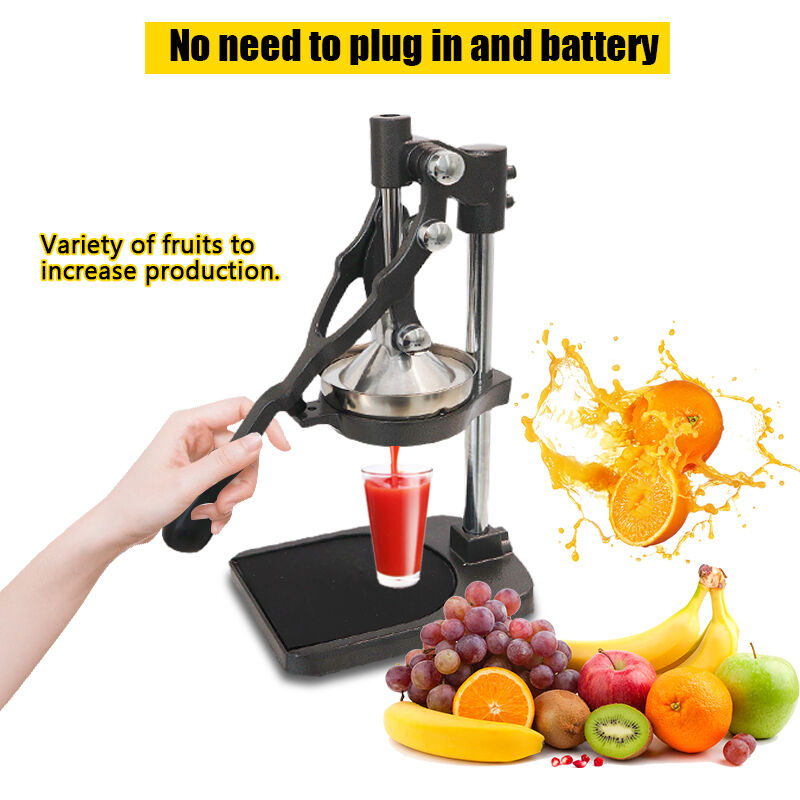
Smart Innovation in Modern Juicer Series: Automation, Control, and Integration
Self-Cleaning Cycles, Variable-Speed Control, and Pulp-Eject Automation Reduce Downtime by 60%
The latest generation of juicers comes packed with three smart automation features that cut down on downtime by about 60%. First off, they have self cleaning cycles that automatically blast away residue using pressurized water and safe cleaning agents after every batch. Then there's the variable speed control system which adjusts rotation speed depending on what's being processed higher speeds work better for tough roots while slower settings handle leafy greens without destroying their nutrients. And finally, intelligent sensors detect when pulp needs to be ejected during operation, so no one has to stop everything just to empty waste containers. According to restaurant kitchen research, these advancements let commercial operations squeeze out roughly 30% more juice batches per day without needing extra staff. Plus, since machines handle most of the cleaning tasks themselves, there's far less chance of mistakes happening during sanitation checks, keeping health standards consistently high across all shifts.
Sustainability, Compliance, and Brand Value Amplified by Commercial Juicer Series
Commercial juicers today are making big strides when it comes to sustainability, meeting regulations better, and building stronger brands all at once. The newer models come with energy saving motors and self cleaning features that actually use around 30 percent fewer resources compared to older versions on the market. This means lower bills for utilities and less strain on the environment overall. Many now include automated cleaning cycles along with materials that resist contamination, which makes following food safety rules much easier for businesses and cuts down on potential problems with compliance. About six out of ten consumers these days prefer companies that show they care about going green, and this customer sentiment translates directly into repeat business and increased sales over time. These machines extract juice more efficiently so there's less wasted pulp sitting around. Plus, they work well with composting systems for managing leftover material, helping restaurant owners and cafe managers present themselves genuinely as eco friendly operators. This kind of positioning resonates strongly with customers who value ethical practices and also gives businesses some protection as government regulations continue getting stricter year after year.
Table of Contents
- Operational Efficiency: How Juicer Series Cut Labor, Boost Yield, and Simplify Workflow
- Menu & Revenue Expansion Enabled by Versatile Juicer Series
- Smart Innovation in Modern Juicer Series: Automation, Control, and Integration
- Sustainability, Compliance, and Brand Value Amplified by Commercial Juicer Series