
 EN
EN
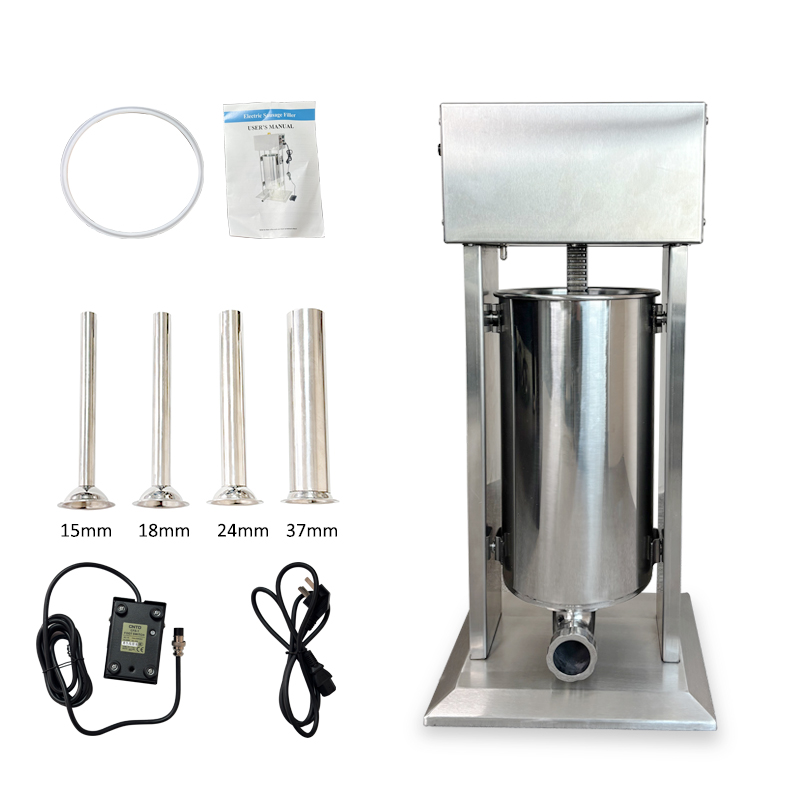
Matching Sausage Machine Capacity to Artisanal Output and Growth Goals
Scaling Batch Size to Weekly Volume and Anticipated Demand Growth
Getting the right size sausage machine means finding that sweet spot between what we need now and where our business might be headed next year or so. Most small scale meat makers start by figuring out how much they actually produce each week, usually somewhere between 50kg to 200kg depending on their operation size. Then it's wise to throw in an extra 20% to 30% just in case there are those busy holiday seasons when orders suddenly double. Going too big on equipment eats into the bottom line with unnecessary power bills and wasted space, whereas machines that are too small mean running batches over and over again, which can push labor costs up around 40% according to Food Processing Journal from last year. Looking at modular systems makes sense for long term growth. These setups let folks upgrade piece by piece as needed, whether that means bigger hopper capacities or getting automation features later down the road. After all, most specialty meat businesses see about 15% to 25% increase in demand every year anyway.
Maintaining Pressure Consistency to Prevent Air Pockets and Preserve Natural Casing Integrity
Getting the pressure right matters a lot when making good sausages. When the force isn't consistent during filling, it creates air pockets that mess up the texture and actually speed up bacterial growth. According to research from Meat Science Review last year, about one in five small batch products have this problem. Natural casings need extra attention too because if pressure goes over 2.5 bar, those delicate collagen fibers just tear apart. Anyone serious about sausage production should look for equipment that allows gradual pressure changes and includes clear pressure indicators on display. Machines with dual pistons tend to work better since they keep the flow steady under safe limits, cutting down on wasted casings by around 22% and getting rid of those annoying empty spots inside. Don't forget regular maintenance either. Most experts recommend checking calibrations after processing 500 kg of product to maintain quality throughout different production runs.
Selecting the Optimal Sausage Machine Type: Hydraulic, Electric, and Automation Features
Hydraulic vs Electric Sausage Machines for Medium-Frequency Artisanal Use
The hydraulic sausage machine packs a serious punch with its fluid mechanics system, great for folks processing around 100 to 300 kilograms each week. These machines keep the pressure steady even during long production runs, though they do need regular attention to the hydraulic fluids. Electric versions work much faster overall, cutting filling time by about half compared to their hydraulic cousins. They come with digital controls that let small batch producers fine tune things for those specialty runs below 200 kg. Setup is a breeze too, saving roughly 15 minutes every time someone turns them on. Medium volume operations will find electric models more efficient in terms of power consumption, using about 30% less electricity and avoiding those pesky fluid leaks that can mess up the cleanliness of the workspace. Both machine types help avoid those annoying air pockets inside natural casings as long as the pressure gauges get checked and adjusted every other week or so.
Automation Benefits: Speed Control, Casing Feed Integration, and Operator Ergonomics
Today's sausage making equipment comes packed with automated features that really help keep production consistent across batches. Most modern machines have variable speed settings that let operators adjust output between roughly 20 to 120 sausages per minute. This matters a lot when dealing with delicate meat emulsions since too fast can tear the casing material. Many systems now include automatic casing feeders that handle both collagen and traditional natural casings. This cuts down on hands-on work by around 70%, which means workers spend less time manually feeding casings and get more consistent results in terms of sausage size. The machines also come with ergonomic upgrades such as adjustable hopper positions and quick clean cycles that make those long 4 hour shifts bearable for operators. Meat processors report these systems stay within about 2% accuracy for fat content ratios, something critical for quality control. And perhaps most importantly, someone can run the whole operation alone throughout the day, processing up to 500 kilograms worth of product. Factory managers love how these automated systems cut new employee training periods by nearly half while keeping everything properly sanitized according to food safety standards thanks to built-in cleaning programs.
Ensuring Food Safety and Regulatory Compliance with NSF Certification and Stainless Steel Construction
Why NSF Certification Matters for Cottage Food Producers and Small-Scale Facilities
Getting NSF certified equipment gives vital protection to those running home kitchens and small sausage shops. The certification process checks if machines meet strict cleanliness requirements. When equipment is properly certified, it cuts down on contamination because manufacturers must use materials like stainless steel that don't trap bacteria and are easy to clean thoroughly. Small food businesses need this especially when they start growing their operations since many states have tough food safety rules. According to research from last year, almost two thirds of avoidable food poisoning cases in tiny facilities came from problems with the equipment itself. People who buy specialty foods really care about this stuff too. Most shoppers look specifically for products made with gear that has been checked by independent experts. If a producer skips certification, they risk recalls which can be absolutely devastating for small businesses already working with tight budgets. Fines pile up fast and bad press sticks around forever.
Maximizing Sausage Quality and Long-Term Value Through Precision Engineering and Durability
Adjustable Speed and Casing Compatibility for Fresh, Smoked, and Natural-Casing Sausages
When it comes to preventing those dreaded casing ruptures, precision speed control makes all the difference. The system lets pressure build up gradually during filling, which matters a lot for those delicate natural casings needed for traditional bratwursts and the collagen stuff used in smoked versions too. Switching to variable-speed gear systems cuts down on waste by about 18% over regular fixed-speed setups, and this helps maintain that same great texture from one batch of artisan sausages to the next. Another big plus? These machines work with pretty much any casing diameter out there, whether we're talking about thin breakfast links or thick chorizo sleeves. No more stopping production every time we want to change recipes, which saves both time and money in the long run.
Stainless Steel Build Quality and Maintenance Practices That Extend Sausage Machine Lifespan
Stainless steel made for food contact stands up well against meat acids and harsh cleaners, keeping things hygienic for around 15 years if looked after properly. When equipment gets cleaned right after use, taking it apart quickly and using gentle cleaners stops bacteria from hiding out in those hard to reach corners. Lubricating those moving parts every three months cuts down on wear about half, and swapping out old gaskets keeps the system sealed tight under pressure. All this regular attention means saving money in the long run too, maybe as much as a third off what someone would spend on similar gear made from carbon steel instead.
Table of Contents
- Matching Sausage Machine Capacity to Artisanal Output and Growth Goals
- Selecting the Optimal Sausage Machine Type: Hydraulic, Electric, and Automation Features
- Ensuring Food Safety and Regulatory Compliance with NSF Certification and Stainless Steel Construction
- Maximizing Sausage Quality and Long-Term Value Through Precision Engineering and Durability