
 EN
EN
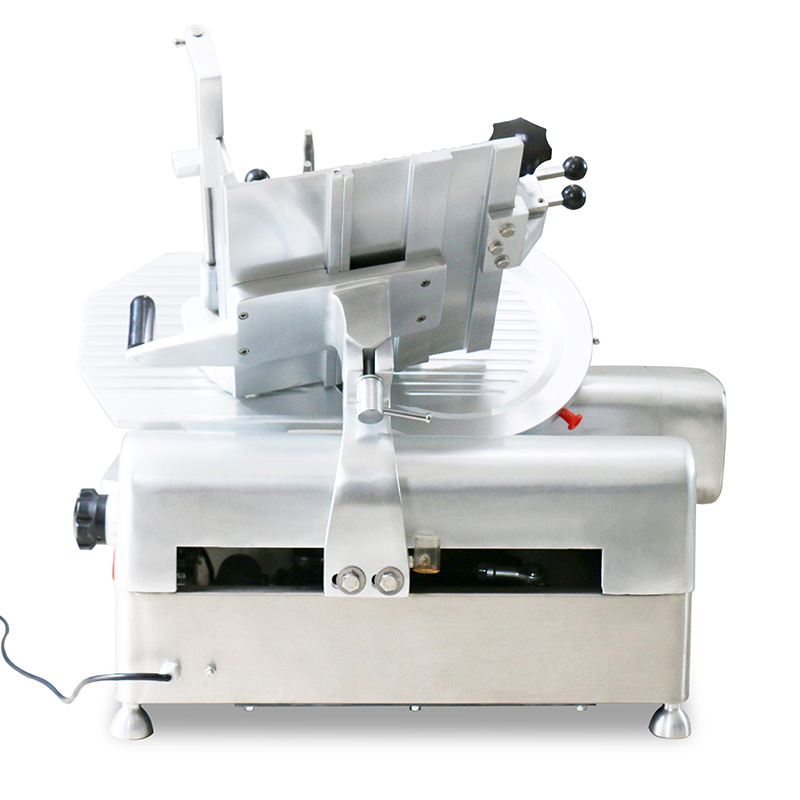
Intuitive Digital Controls and One-Touch Operation for Instant Usability
Modern automatic slicers prioritize usability through thoughtfully designed interfaces that minimize training time and reduce slicing errors—letting operators focus on output quality rather than machinery complexity.
One-Touch Start, Home-to-Start Reset, and Preset Program Recall
The machine has some really important features controlled by just one button each. Pressing the start button kicks off the blade right away, and there's another button labeled "home" that brings everything back to where it started after each cut. This makes sure every slice comes out exactly the same size and shape every time. There are also preset settings stored in memory so users can quickly switch between different cutting styles. For instance, someone might want thick slices of ham next to paper-thin cheese slices for a fancy charcuterie board. Switching between these takes about 40 seconds less than doing it manually each time. Plus, built-in safety locks stop the machine from turning on accidentally when someone is making adjustments, which is pretty smart considering how sharp those blades get.
Programmable Thickness, Speed, and Stacking via Touchscreen or Button Interface
Operators customize slicing parameters through responsive touchscreens or tactile dials. Key settings include:
- Thickness adjustment: Precise 0.1–15 mm calibration with visual indicators
- Variable blade speeds: Slower for delicate proteins, faster for dense vegetables
- Stack sequencing: Auto-stacking in shingled or layered patterns reduces manual handling
These features cut setup time by 70% compared to mechanical slicers and deliver uniform slices while lowering repetitive strain injuries by 58% (Food Processing Journal, 2023).
Built-In Safety Systems That Enable Confident, Effortless Operation
Automatic Blade Guards, Hand-Sensing Switches, and No-Volt Release
Today's automatic slicers come equipped with both passive and active safety features that cut down on the need for constant manual checks. When slicing stops, transparent blade guards pop into place automatically, forming a clear shield that keeps hands away from dangerous areas. For added protection, hand sensing switches work using infrared technology to spot when skin gets too close. The blades stop spinning almost instantly - within just 0.1 seconds - which cuts the risk of cuts by around 90% according to Food Safety Journal research from last year. There's also something called no-volt release circuits built in. These stop machines from suddenly restarting after a power outage, so operators have to manually turn them back on each time. All these different safety measures actually work together pretty well in practice, making kitchen staff feel much safer while they work.
- Guards permit safe ingredient loading during operation
- Switches override all functions during intrusion
- NVR complies with OSHA electrical safety standards
This layered approach reduces operator cognitive load while meeting ANSI/NSF sanitation requirements.
Non-Slip Bases, Auto-Shutoff Triggers, and Stall-Resistant Motor Logic
Stability and failure prevention complete the safety ecosystem. Vacuum-sealed non-slip bases maintain alignment during high-speed operation, preventing hazardous machine walk-offs. Auto-shutoff triggers monitor three critical parameters:
| Parameter | Threshold Response | Protection Outcome |
|---|---|---|
| Motor Temperature | >150°F | Instant shutdown |
| Blade Resistance | 30% above baseline torque | Jam prevention |
| Current Surge | 15% fluctuation | Electrical fire avoidance |
Stall-resistant logic modulates power delivery during dense product slicing, preventing motor burnout. This dynamic control extends equipment lifespan by 40% while eliminating manual intervention during product variability (Industrial Engineering Report, 2024). Combined with vibration-dampening bases, these features enable single-handed operation even on uneven surfaces.
Tool-Free, Ergonomic Adjustments for Rapid Setup and Precision Slicing
Precision Thickness Knobs with 0.1–15 mm Range and Visual Calibration Scale
Automatic slicers today come equipped with thickness knobs that don't need any tools like wrenches or calibrators. Operators can tweak their cuts from super thin slices at just 0.1 mm all the way up to hefty 15 mm pieces within seconds flat. The big ergonomic dial on these machines doesn't take much hand strength either, so workers aren't straining their fingers when they're running through large orders. Right next to the knob sits a clear visual scale that makes it easy to see exactly where things are set, which helps replicate successful settings batch after batch. No more second guessing what setting worked last time! This matters a lot when moving between different cuts such as ultra thin prosciutto slices versus those thick juicy roast beef portions. These knobs really speed things up too, saving around 30% compared to old fashioned measuring methods while keeping everything looking uniform throughout. Plus, anyone can get great results without needing special training because the whole thing was designed with accessibility in mind.
Smart Automation That Minimizes Operator Input While Maximizing Consistency
Load-Adaptive Motor Control and Variable Rotation Speeds for Uniform Output
Automatic slicing machines these days can actually change their power settings and how fast the blades spin depending on what kind of meat they're cutting. The smart control system stops things from getting torn apart or falling apart completely when working with something as fragile as prosciutto or as tough as salami. Most models come with variable speed options ranging from zero to around 45 revolutions per minute, which lets operators fine tune everything so every slice comes out exactly the same thickness. What makes these systems really stand out is their ability to keep an eye on how much resistance there is during operation. If the machine senses any changes in load, it automatically adjusts itself to keep producing slices of consistent quality without anyone needing to step in and make corrections manually.
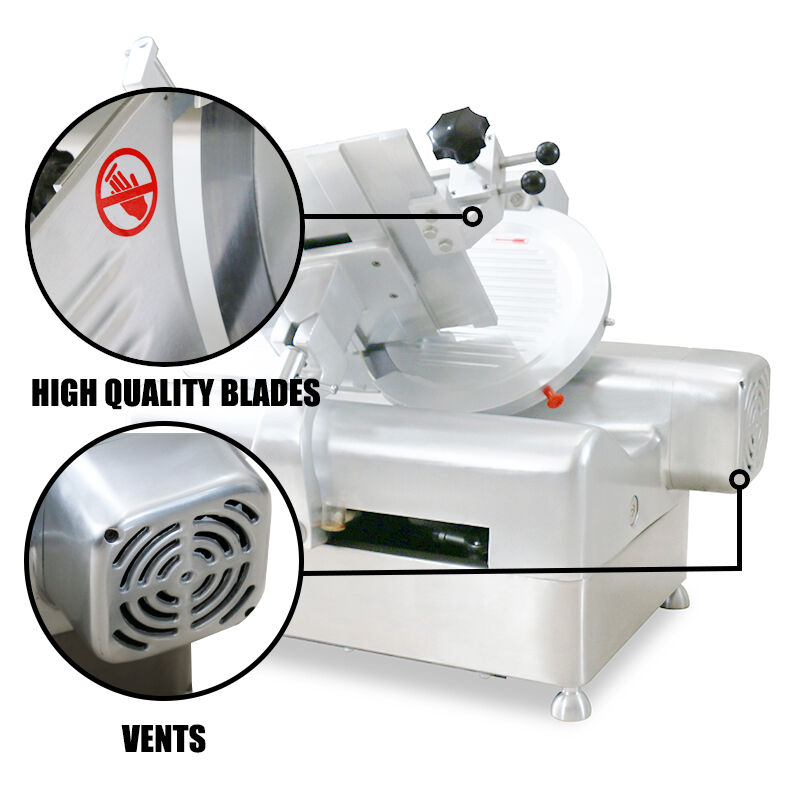
Labor Efficiency Gains: Up to 60% Less Manual Effort vs. Traditional Slicers
Automated thickness/speed presets and self-adjusting mechanics reduce repetitive tasks like blade calibration and pressure monitoring. Operators report 60% less physical exertion compared to manual slicers (Food Processing Efficiency Report, 2023), as smart systems handle variable product densities and continuous operation. This translates to measurable productivity gains:
| Operation | Traditional Slicer | Automated Slicer |
|---|---|---|
| Setup time per product | 3–5 minutes | <1 minute |
| Active adjustments/hour | 15–20 | 2–3 |
| Operator fatigue | High | Minimal |
By eliminating manual speed/thickness tweaks and recovery pauses, facilities achieve higher throughput with fewer errors—producing up to 30% more uniform portions per shift.