
 EN
EN
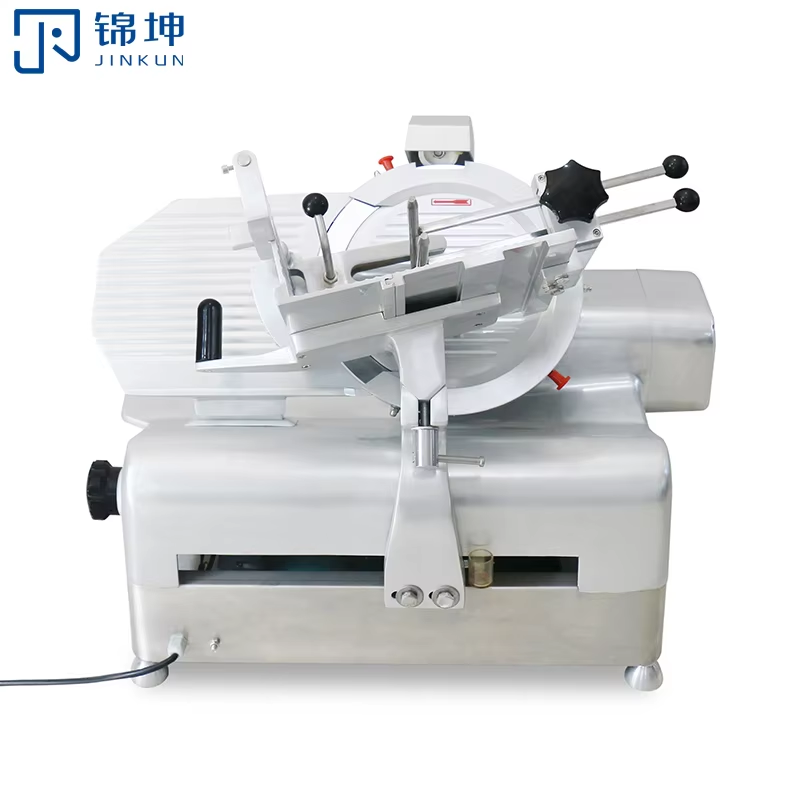
Adjustable Thickness Control: The Core of Menu Flexibility and Consistency
How One Automatic Slicer Handles Meats, Cheeses, and Vegetables Without Compromise
Modern restaurants require equipment that adapts to diverse menu demands. A single automatic slicer can consistently process proteins like smoked turkey, firm cheeses such as cheddar, and delicate vegetables including tomatoes—eliminating the need for multiple specialized machines. This consolidation reduces kitchen footprint while ensuring uniform results across ingredient types. Operators report a 35% reduction in prep time when switching from manual to automated slicing, freeing staff for higher-value tasks. The capability stems from precision blade engineering and motor torque calibrated to handle varying densities without tearing or crushing.
The Gauge Plate Mechanism: Enabling Precision Calibration Across 0.1–15 mm Settings
The gauge plate system—a stainless-steel thickness regulator with micro-adjustment capabilities—is central to this versatility. Operators switch between paper-thin prosciutto (0.1 mm) and thick-cut roast beef (15 mm) in seconds via calibrated dial controls. The mechanism maintains ±0.05 mm accuracy across its full range, supporting both visual presentation standards and precise recipe costing. This level of control prevents over-portioning—a leading source of food cost leakage—and ensures consistency diners expect. Operational audits across leading kitchens confirm a 22% reduction in trim waste attributable to this precision.
Operational Efficiency Gains from Automatic Slicers in High-Volume Kitchens
Labor Savings: Reducing Manual Slicing Time by Up to 37% in Deli and Sandwich Operations
Automatic slicers convert labor-intensive, repetitive tasks into efficient, supervised operations. By automating blade movement, these machines reduce manual slicing time by up to 37% in deli environments (Food Service Equipment Report 2023). Staff shift from performing sustained physical motions to overseeing output—enabling multitasking during peak service and reducing risk of repetitive strain injuries. This efficiency mitigates preparation bottlenecks and supports sustainable staffing models in high-turnover kitchens.
Portion Control Integration: Using Adjustable Thickness for Standardized Plating and Cost Management
Precision thickness settings enable standardized portioning unattainable with manual methods. The same gauge plate mechanism used for ingredient versatility delivers identical slices every time—directly strengthening two core operational functions:
- Cost management: Uniform slices reduce over-portioning by 22%, as verified in deli audit data
- Presentation quality: Consistent thickness elevates plating aesthetics, reinforcing premium positioning
Integrating adjustable thickness control into workflow design thus simultaneously improves customer experience and food cost margins—without requiring additional training or process overhaul.
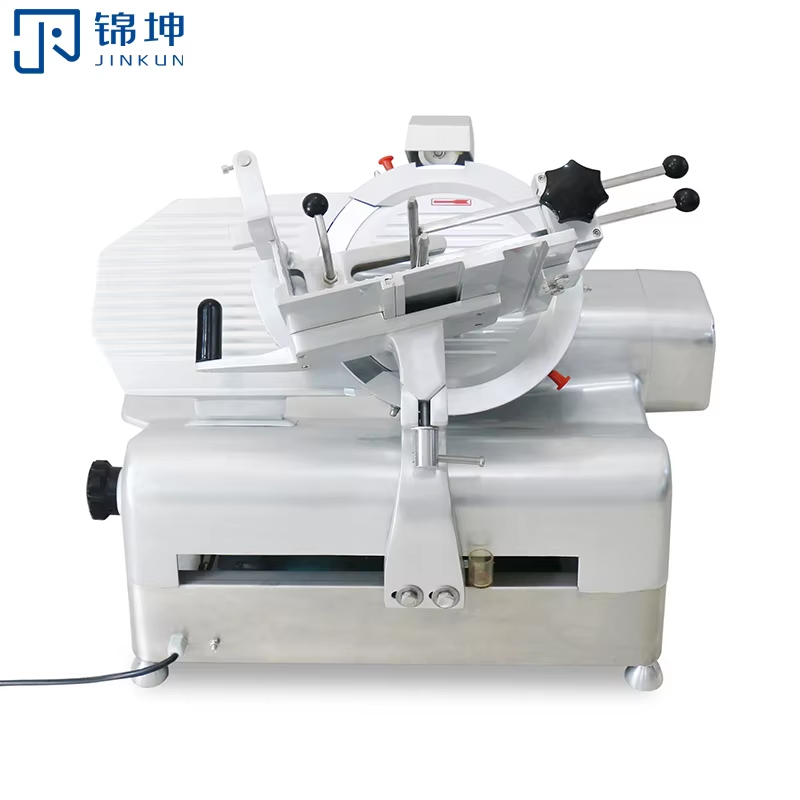
Reliability and Longevity: What Makes an Automatic Slicer Restaurant-Ready
Restaurant kitchens demand equipment built for relentless daily use. An automatic slicer earns its place through robust construction—typically featuring stainless steel frames and food-grade components engineered for corrosion and wear resistance. Critical durability features include sealed motors that prevent moisture ingress and precision-ground blades designed to retain sharpness across thousands of cycles. Commercial-grade models undergo rigorous testing, often achieving 15,000+ operational hours before major component replacement. Proactive maintenance significantly extends lifespan: daily blade cleaning and weekly gear lubrication reduce friction-related wear by approximately 19%. Facilities following manufacturer-recommended servicing schedules report 7–10 years of reliable performance—nearly double the 3–5 years seen with reactive maintenance—translating directly to lower total cost of ownership and reduced operational downtime.
Waste Reduction and Presentation Quality Driven by Precision Automatic Slicing
Precision slicing technology directly combats food waste—a critical cost center in restaurants. By maintaining exact thickness settings, automatic slicers minimize trim loss from uneven cuts and irregular edges, maximizing usable yield per ingredient purchase.
Audit Data: 22% Less Trim Waste on Roast Beef and Gouda with Consistent Thickness Settings
Operational audits confirm that restaurants using adjustable-thickness automatic slicers reduce trim waste by 22% on proteins like roast beef and dense cheeses like Gouda. This consistency eliminates overcutting and inconsistent edges that typically become discard. The savings translate to measurable ingredient cost reductions—approximately $740K annually for multi-location operators (Ponemon Institute, 2023). Beyond economics, uniform slices enhance plating aesthetics and perceived value, supporting inventory control, recipe costing accuracy, and overall brand consistency across all menu applications.
Table of Contents
- Adjustable Thickness Control: The Core of Menu Flexibility and Consistency
- Operational Efficiency Gains from Automatic Slicers in High-Volume Kitchens
- Reliability and Longevity: What Makes an Automatic Slicer Restaurant-Ready
- Waste Reduction and Presentation Quality Driven by Precision Automatic Slicing