
 EN
EN

What New Features Define Top-Performing Sausage Machines
Automation and High-Volume Efficiency in Modern Sausage Machines
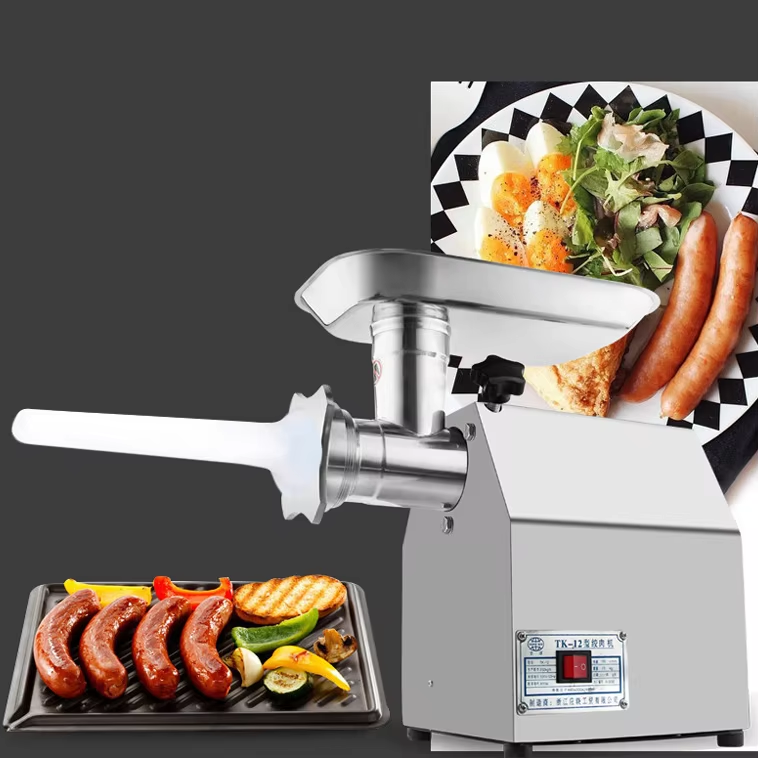
The Role of Automatic Sausage Making Machines in Streamlining Production
Modern sausage machines integrate automated grinding, mixing, and stuffing systems to eliminate manual processing bottlenecks. These systems maintain precise meat-to-fat ratios and stuffing pressures, reducing human error while increasing output. Advanced models process over 2,000+ sausages hourly—a 300% efficiency gain compared to semi-automated setups (Food Processing Journal 2024).
Robotic Handling Systems for Continuous Material Flow
Automated robotic arms manage raw material transfer between grinding, emulsifying, and casing stations, enabling uninterrupted workflow in 24/7 operations. This closed-loop design minimizes contamination risks while improving throughput. Key innovations include self-cleaning conveyors that reduce downtime, AI-guided portioning for uniform product dimensions, and real-time load sensors that prevent overfeeding.
Maximizing Throughput with High-Speed Production Lines
High-output sausage machines use vacuum-assisted fillers and servo-driven linking mechanisms to achieve speeds exceeding 120 meters/minute. Modular configurations allow producers to scale from 500 kg/hr pilot lines to 5,000 kg/hr industrial systems without major overhauls. Facilities using these systems have reduced labor costs by 30% while doubling monthly yields.
Smart Control Systems Powered by AI and Real-Time Data
AI-Driven Quality Control for Consistent Sausage Output
Vision systems powered by artificial intelligence can check sausages at over 400 frames per second, looking at things like whether the casing holds together properly, how evenly the filling is distributed inside, and spotting any surface flaws with an impressive 99.8% accuracy rate. When needed, these smart systems tweak the speed of the augers and change pressure settings automatically to keep products meeting specific brand quality requirements. The clever software behind them adapts on the fly to differences in meat textures and varying fat levels throughout processing runs. As a result, major food processors have seen their product recall rates drop by around 40 percent according to recent industry reports from Food Safety Tech in 2023.
Real-Time Monitoring and Adaptive Machine Learning Algorithms
Sensors connected to the Internet of Things keep track of around 18 different operational factors such as mixer viscosity levels and linker temperatures, updating their readings roughly every half second. These machine learning systems then look at all this information to spot potential casing failures well ahead of time, sometimes predicting problems as much as 90 seconds before something actually goes wrong. The system will adjust hydraulic pressure settings on its own when needed. During testing phases, these smart production lines stayed running pretty consistently with about 97 or 98 percent uptime over three day periods. They managed this impressive reliability even when dealing with changes in air moisture content and variations in protein composition, all without needing any manual adjustments from workers on site.
Data-Optimized Performance Adjustments in Sausage Processing
Modern smart control systems work by comparing real time sensor readings against past performance data, helping factories save both resources and money. Take for instance what happened at a food processing plant back in 2023 when they implemented these systems. They managed to reduce excess seasoning application by around 34 percent while cutting down on electricity bills by nearly a quarter thanks to better control of liquid consistency. Another big plus comes from predictive maintenance tech that looks at how motors vibrate over time and matches those patterns to actual wear and tear. This means maintenance crews can schedule repairs right when there's already downtime built into production schedules rather than sticking strictly to arbitrary calendar dates for servicing equipment.
Precision Stuffing Technology with Vacuum and Digital Controls
Advanced Sausage Stuffer Designs for Unmatched Filling Accuracy
The combination of servo driven pistons and digital flow meters gets us down to around 1.5 percent accuracy when filling products. Real time viscosity sensors work alongside those PLCs we all know and love to tweak the stuffing pressure as needed. This keeps everything consistently dense, which is really important when dealing with those tricky meat mixtures that can vary so much from batch to batch. Looking at data from the latest food processing report, most meat plants switching to these digital systems saw their waste drop by nearly a quarter compared to old fashioned manual approaches. And let's not forget the touchscreens either they come loaded with over fifty preset recipes right there on screen. Operators can switch between different sausage sizes or casings in seconds flat without having to mess around with physical adjustments every time.
Vacuum-Assisted Filling for Improved Density and Texture
When using vacuum tech during the stuffing process, it actually gets rid of those pesky air pockets that form inside the meat mixture. This can pack things together about 18 percent tighter according to some research from the Journal of Food Engineering back in 2022. The result? Smoother textures in smoked and cured meats without all those annoying bursts when cooking at speed. For stuff like frankfurters that need special handling, dual stage vacuum systems keep pressure steady between 0.8 to 1.2 bars throughout production. Meat processors really rely on this setup because these emulsified products just won't behave right otherwise. And let's not forget digital pressure settings that fine tune how fast things get filled into different types of casings. Clinical tests show this approach cuts down on those frustrating holes and gaps by around 30%, making packaging look much better on store shelves too.
Modular Design and Scalability for Future-Ready Operations
Flexible, Modular Sausage Machine Configurations
Modern sausage making equipment comes with modular setups that make it easier for factories to switch things up when production needs change. The machines have parts that can be swapped out pretty easily - think about those speed adjustable motors or the stuffing heads that can be tweaked for different jobs. This means plants don't have to shut down operations completely when switching between products, which saves money in the long run. According to a study published last year in Food Processing Journal, facilities that adopted this modular approach saw their equipment changeover time drop by around 37%. Plus these systems keep producing sausages consistently regardless of whether they're working with different meat mixes or various casing sizes.
| Feature | Traditional Systems | Modular Systems |
|---|---|---|
| Scalability | Limited expansion | Add modules as needed |
| Changeover Time | 2-4 hours | Under 30 minutes |
| Production Flexibility | Fixed capabilities | Multi-product support |
This flexibility is especially valuable for mid-sized producers managing seasonal demand spikes alongside specialty product lines.
Quick Changeover Features for Diverse Production Needs
Adjustments without tools and digital recipes already set up make it much faster to change between different products on production lines. One big factory in Germany cut down their setup time by almost 90% when they switched to these modular clips and stored their recipes digitally instead of manually entering them each time. No more fiddling with calibration settings means production lines can go from making breakfast sausages to bratwurst in just about 15 minutes flat. This kind of flexibility helps meet those ever-changing food safety rules without throwing away so much raw material during changeovers.
Enhanced Hygiene, Safety, and Regulatory Compliance
Most top manufacturers have adopted clean design practices to cut down on contamination dangers. Today's equipment often features electropolished stainless steel with fewer seams than before, which makes it much harder for bacteria to hide away. Some studies from last year showed these new designs can slash potential hiding spots for microbes by around 80%. Rounded edges and parts that come apart easily make cleaning much simpler, something that really matters when following those strict European hygiene rules for food contact surfaces. The EHEDG standards basically set the bar for what counts as properly designed food processing gear.
Hygienic Design Standards in Sausage Machine Construction
Self-draining frameworks and antimicrobial coatings prevent residue buildup in high-moisture environments. Fully welded housings reduce microbial growth by 40% compared to bolted assemblies, according to a 2024 study. Equipment meets IP69K ratings for resistance to high-pressure washdowns while complying with IEC 60529 electrical safety standards.
Integrated Sanitation Systems and Food Safety Compliance
Clean-in-Place (CIP) systems automate sterilization without needing to take equipment apart, knocking out around 99.9% of pathogens according to NSF/3-A standards for sanitation. The real game changer comes with ATP monitoring that spots biofilm buildup before it becomes a problem, keeping operations compliant with both HACCP guidelines and the FDA's Food Safety Modernization Act. Facilities under USDA inspection have seen their audit issues drop by nearly two thirds when switching from old school manual cleaning approaches to these modern integrated systems.
FAQ
What are the benefits of using automated sausage machines?
Automated sausage machines increase efficiency by eliminating bottlenecks in production, maintaining precise meat-to-fat ratios, and reducing human error. They can significantly boost production output.
How do robotic handling systems improve sausage production?
Robotic handling systems enable continuous material flow and reduce contamination risks by managing raw material transfers automatically, enhancing workflow efficiency.
What role does AI play in modern sausage machine operations?
AI powers quality control systems to check for product consistency, adjust machine settings automatically, and reduce recall rates through enhanced monitoring capabilities.
Why are vacuum-assisted filling techniques important?
Vacuum-assisted filling eliminates air pockets, improving sausage density and texture. This method creates smoother meat products and reduces issues during cooking.
How does modular design benefit production facilities?
Modular designs allow facilities to adapt to changing production needs quickly and efficiently, reducing changeover time and supporting multi-product manufacturing without major overhauls.