
 EN
EN
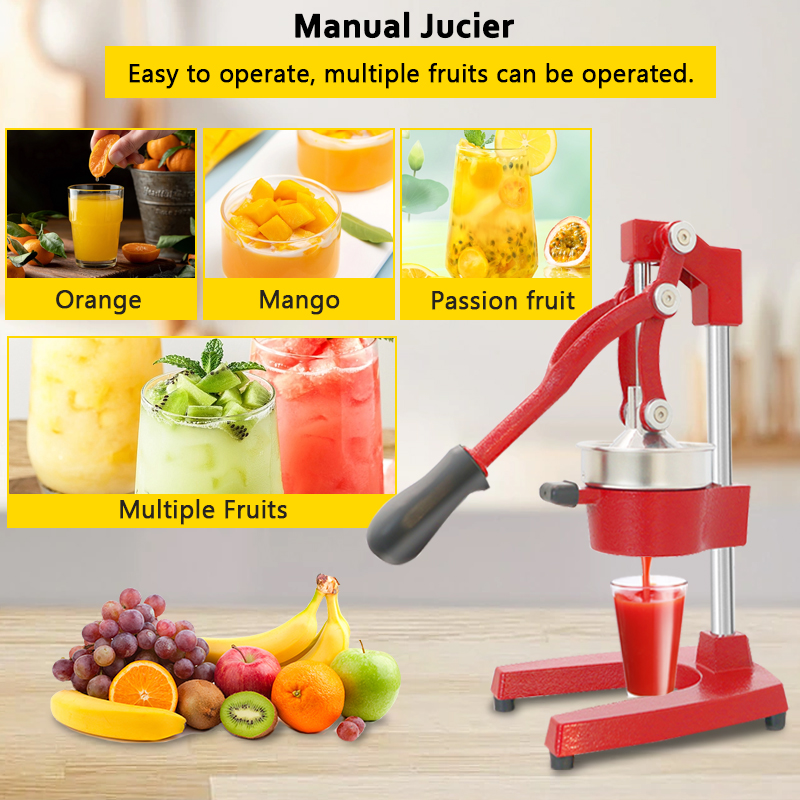
Nutrient Retention: How Juicer Series Technology Minimizes Oxidation and Preserves Bioactives
Cold-Press vs. Centrifugal Extraction: Impact on Polyphenols, Vitamin C, and Enzyme Activity
Cold press juicers work at much slower speeds, usually below 100 revolutions per minute, which means they don't generate the kind of heat from friction that can actually break down those delicate nutrients we're trying to get from our fruits and veggies. On the flip side, centrifugal juicers spin fast, sometimes over 10 thousand RPM, and this makes the juice temperature rise by about 9 degrees Fahrenheit or so. What happens next isn't great for what's good in the juice. Tests indicate that after just half an hour, these high speed machines can cut down on polyphenols by as much as 30 percent, while certain heat sensitive enzymes like amylase drop off around 40%. Looking at independent lab results, cold press models tend to keep roughly 95% of their vitamin C intact, whereas centrifugal types only manage to hold onto between 60 to 70%. The reason? Cold presses slowly crush and press the produce instead of spinning it into oblivion, so there's less air mixed in with the juice. This helps maintain those important antioxidants and keeps the cell structures intact, which matters a lot when talking about how well our bodies can actually use all those beneficial compounds.
Does Higher Juice Yield Compromise Nutrient Density? Evidence from Juicer Series Performance Testing
Centrifugal juicers tend to squeeze out about 20% more juice because they really tear up the pulp, but there's a trade off here. These machines actually leave around 15% more fiber in the final product, which means the nutrients get spread out over more ounces. Cold press juicers work differently. They produce roughly 12% less juice overall, yet pack in nearly 27% more polyphenols. When it comes to keeping nutrients intact after sitting around, cold pressed juice holds onto about 89% of its original goodness after three days, whereas centrifugal juice drops down to only 52%. The real story isn't just about how much juice gets extracted, but rather how each method affects what happens to those precious nutrients during processing. Cold pressing minimizes oxidation and preserves more of the delicate compounds found naturally in fruits and vegetables.
Fruit-Specific Optimization Across the Juicer Series for Flavor, Yield, and Functional Integrity
Citrus-Specific Extraction: Automated Pulp Control and Acid-Stable Juice Consistency
This juicer line comes with smart citrus extraction technology that automatically controls pulp separation depending on how acidic or ripe the fruit is, keeping the juice at just the right pH level between 3 and 4 while preserving those delicate flavor molecules. The special shape of the auger reduces friction and prevents excessive heat generation during processing, which helps keep more vitamin C intact. Tests in laboratories show about 18 percent better ascorbic acid preservation when juicing oranges and grapefruits compared to regular centrifugal juicers on the market today. The pressure adjustment system maintains steady consistency throughout the extraction process something really important for making high quality drinks since texture plays such a big role in how people actually experience what they're drinking.
High-Tannin & Delicate Fruits: Gentle Whole-Fruit Processing in Premium Juicer Series Models
The premium juicer models feature ultra low RPM masticating tech, operating between 40 to 80 rotations per minute. This gentle processing handles tough stuff like pomegranates packed with tannins and delicate berries without squishing those precious seeds or stems. What does this mean for juice quality? Well, it cuts down on phenolic compound leakage by about 27% when compared to regular high speed juicers. The difference is noticeable too since there's less bitter aftertaste from all that astringency. These top end units also come equipped with specially designed tapered augers and just the right amount of space in their whole fruit chambers. This setup helps maintain the integrity of plant cells during extraction. Industry tests show they manage to keep around 92 to 95 percent of valuable compounds like anthocyanins in blueberries and ellagic acid in raspberries intact.
Commercial Beverage Excellence: Juicer Series Reliability, Output Consistency, and Freshness Longevity
For businesses running commercial operations, reliability is non-negotiable. The products need consistent output day after day, and they must stay fresh long enough to meet market demands. That's where our juicer series really shines. These systems are built with food grade stainless steel parts designed specifically for heavy duty usage. We've seen facilities cut their unexpected shutdowns by around 30% since switching to these models. What matters most though is how well they perform over time. Our machines keep batch variations within about 2%, which means customers get the same great taste and nutrition every time, plus we waste far less fruit than traditional methods. The vacuum sealed chambers work wonders too. By cutting down on oxidation, they actually extend shelf life without any preservatives for roughly 48 extra hours. And let's talk
numbers. A single machine can handle over 500 servings each day, making it possible for small startups to grow into major players while maintaining that premium quality standard that sets them apart from competitors.
Innovation Frontiers: Nonthermal Technologies Integrated into Next-Gen Juicer Series
PEF and Ultrasound Pre-Treatment: Enhancing Extraction Efficiency Without Thermal Degradation
The latest generation of juicers now incorporate pulsed electric field (PEF) technology along with ultrasound for much more precise juice extraction without heat damage. With PEF, short bursts of electricity create tiny holes in plant cells through a process called electroporation. At the same time, ultrasound waves cause small bubbles to form and collapse inside the fruit or vegetable tissues, which helps break them down gently. What makes these techniques special is that they work at room temperature, so none of those valuable nutrients get destroyed by heat. This means important compounds like vitamin C, polyphenols, and various enzymes stay intact in the final product something traditional juicing methods just cant match when it comes to preserving nutritional value.
Studies show that PEF pretreatment can boost juice yields anywhere from 12 to 18 percent while keeping around 90 percent of those valuable antioxidants intact. When it comes to getting more out of tough veggies like ginger and celery, ultrasound technology really shines. It helps extract all those good phytochemicals without messing up sensitive compounds found in berries such as anthocyanins. The best part? These machines actually adjust themselves based on what kind of fruit goes through them. They crank up the ultrasound power for hard root vegetables but switch to softer PEF settings when handling fragile fruits. And let's not forget about energy savings either. Compared to traditional heat methods, these technologies cut down on power consumption somewhere between 25 and 35 percent. That's why we're starting to see PEF and ultrasound systems built right into many commercial juicing operations across the industry.
| Technology | Mechanism | Key Benefit | Nutrient Impact |
|---|---|---|---|
| PEF | Electroporation | +15% yield | 92% antioxidant retention |
| Ultrasound | Cavitation | Enhanced cell rupture | 89% anthocyanin preservation |
These innovations reflect a foundational shift toward intelligent, nondestructive extraction—balancing maximum bioavailability, operational efficiency, and functional beverage excellence.
Table of Contents
- Nutrient Retention: How Juicer Series Technology Minimizes Oxidation and Preserves Bioactives
- Fruit-Specific Optimization Across the Juicer Series for Flavor, Yield, and Functional Integrity
- Commercial Beverage Excellence: Juicer Series Reliability, Output Consistency, and Freshness Longevity
- Innovation Frontiers: Nonthermal Technologies Integrated into Next-Gen Juicer Series