
 EN
EN
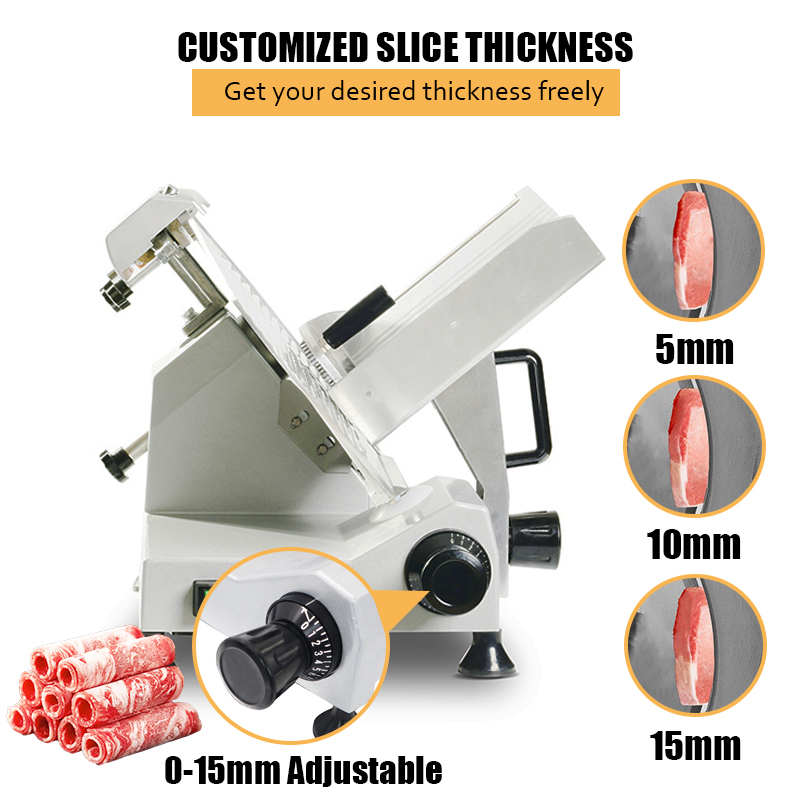
Semi-Automatic Slicer Advantages: Precision, Control, and Flexibility
Human-in-the-loop precision for irregular or delicate products (e.g., smoked salmon, cured pancetta)
Semi automatic slicers really shine when human touch matters most, especially for delicate or oddly shaped products such as thin slices of smoked salmon or those crumbly pieces of cured pancetta that tend to fall apart. These machines aren't like the strict fully automated ones we see elsewhere. Instead, they let workers actually look at what they're slicing and tweak things on the fly adjusting pressure settings, changing angles, and controlling how fast stuff moves through the machine. The hands on approach stops problems like tearing meat fibers, squishing softer parts, or getting those frustratingly uneven slices that happen so often with machines set on fixed programs. When working with different textures, varying amounts of fat distribution, or just generally unpredictable materials, experienced operators can spot issues right away and make corrections before anything gets wasted. This kind of flexibility helps maintain those high quality appearances and performance characteristics that customers expect from premium artisan meats and other valuable protein products.
Real-time operator adjustments enhance portion consistency in variable-thickness applications
Semi automatic slicers let chefs quickly adjust thickness settings while working, which matters a lot when moving from something as thin as prosciutto to regular sandwich meat cuts. The machine gives visual clues so workers can tweak settings bit by bit, keeping things pretty accurate around plus or minus 0.2mm for all sorts of different foods. These machines respond fast enough that there's no need to stop everything and reprogram them whenever recipe specs change, unlike those fully automated models. According to some restaurant efficiency reports, kitchens using these adaptable slicers waste about 15 to 18 percent less food when handling tricky items like ham with bones still in it or layered terrines made from multiple textures. Plus, the back and forth between staff and machine helps line workers spot small quality issues over time, making their whole team better at maintaining consistent results day after day.
When a Semi-Automatic Slicer Delivers Better ROI Than Automatic Alternatives
Volume threshold analysis: optimal fit for operations under 120 slices/hour
For businesses slicing less than 120 items each hour, semi automatic slicers generally offer better money saving returns compared to fully automatic machines. When looking at these lower volumes, the cost of manual labor still works out cheaper than what automation would save. That means spending big bucks on high end automatic equipment often ends up sitting idle most of the time. On the flip side, when production goes above this number, automated systems start making sense because they can run non stop. But down below that mark, semi automatic models match what the business actually needs without wasting money on unused capacity. Something important to remember though is how different products affect these numbers. Specialty meats such as hand made sausages or cured meats need careful attention during slicing that takes longer than regular cuts. This is exactly why semi automatic machines come into their own here, offering just enough control while still being efficient enough for smaller scale operations.
Lower total cost of ownership (TCO) – reduced acquisition, maintenance, and training costs
Semi-automatic slicers significantly lower TCO across three dimensions:
- Acquisition savings: 40–60% lower upfront cost than automatic units
- Maintenance efficiency: Simplified mechanical designs reduce annual service fees by 30–50%
- Training accessibility: Operators achieve full proficiency in 2 hours–versus days for programmed systems
The cost setup works pretty well for places that don't have massive volumes, think small delis run by local owners or pop-up food stands during festivals. Automatic machines need those fancy tech guys to fix them, but semi-auto versions come with regular parts most shops can handle themselves. Less complicated means they just break down less often, which matters a lot when there's no one around who knows how to fix high-tech gear. Businesses save money this way and put it back into what actually brings in cash instead of constantly spending on repairs and replacements for expensive equipment.
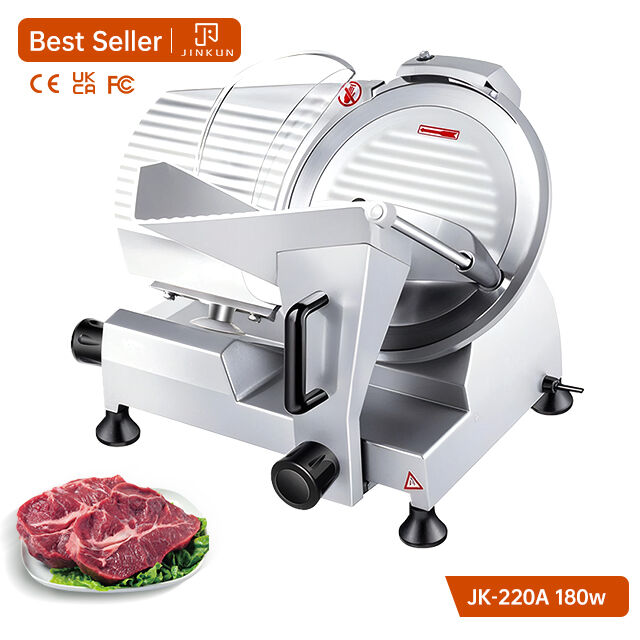
Labor Impact: Safety, Ergonomics, and Skill Utilization with Semi-Automatic Slicers
37% lower repetitive-motion injury risk vs. automatic units (OSHA 2023 data)
Semi automatic slicers cut down on work related injuries because they let operators control when each slice happens instead of forcing them through non stop high speed cutting. According to recent OSHA numbers from 2023, workers using these machines experience about 37 percent fewer cases of wrist pain and tendon problems than those operating fully automatic models. The slower rhythm gives muscles time to rest between slices, which matters a lot when handling tricky items such as thinly sliced smoked salmon or fancy cured meats. Plus, this controlled approach doesn't sacrifice accuracy or how much gets produced in a day.
Balancing cognitive load and operator engagement to sustain focus and reduce errors
Semi automatic operation finds a good middle ground between hands on work and thinking tasks. When running these systems, operators handle things like adjusting thickness levels and placing products correctly. This keeps them alert and aware of what's going on around them, something that often slips away when someone just sits there watching screens all day. Studies in industrial ergonomics point to benefits too. The kind of active involvement here cuts down slicing mistakes by about twenty two percent according to some research. Workers can spot changes in material textures as they happen and decide quickly if something meets quality standards. This approach avoids the brain drain that comes from relying entirely on automation for decision making.
Key Selection Criteria for Choosing a High-Performance Semi-Automatic Slicer
When looking for the right semi-automatic slicer, there are several key factors worth considering beyond just price tags. First off, check if the machine has those fine-tuned thickness adjustments that can handle everything from tough cured meats down to delicate soft cheeses without missing a beat. We've seen ±0.1mm accuracy make all the difference in maintaining consistent slices throughout busy service periods. Speaking of blades, don't overlook what they're made from either. High carbon stainless steel blades over 12 inches wide stay sharp much longer compared to cheaper alternatives according to industry tests. Safety is another big deal too. Look for slicers with automatic return functions when something goes wrong, plus those pressure sensors that shut things down before accidents happen. These features actually cut injury risks by around 40% according to recent restaurant safety studies. The best models work well whether slicing frozen items straight out of storage or fresh products at room temperature. Quick blade change systems save tons of time during cleaning breaks. And let's face it, nobody wants to spend hours taking apart their equipment between rush hours. Machines that clean completely in under five minutes keep operations running smoothly even during peak times. All these considerations ultimately translate into real savings over time through less food waste, better staff productivity, and equipment that lasts far longer than expected.
Table of Contents
- Semi-Automatic Slicer Advantages: Precision, Control, and Flexibility
- When a Semi-Automatic Slicer Delivers Better ROI Than Automatic Alternatives
- Labor Impact: Safety, Ergonomics, and Skill Utilization with Semi-Automatic Slicers
- Key Selection Criteria for Choosing a High-Performance Semi-Automatic Slicer