
 EN
EN
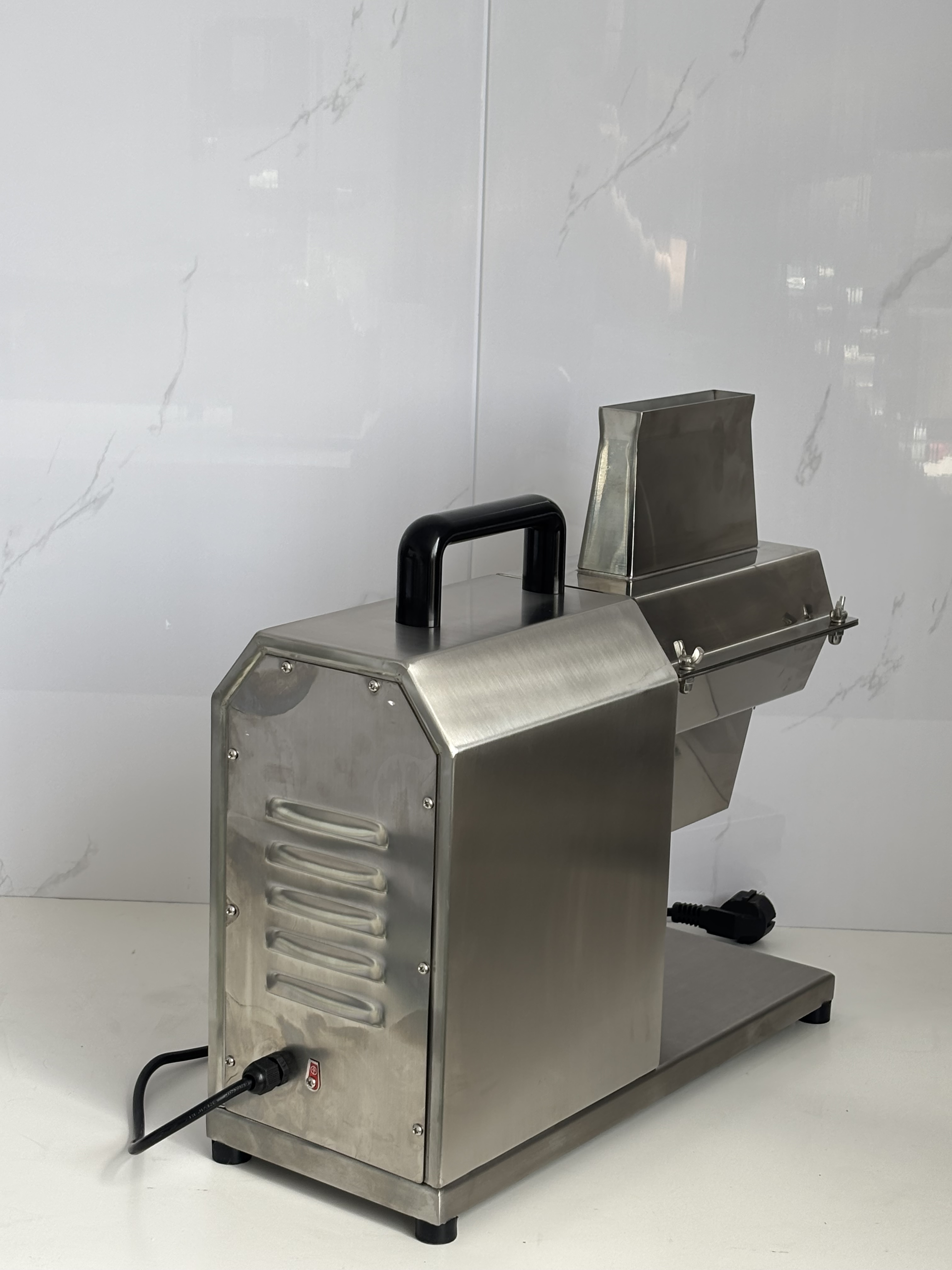
How a Meat Tenderizer Machine Improves Marinade Absorption and Flavor Penetration
Needle and blade mechanisms create micro-channels for deeper seasoning infusion
Meat tenderizers work by piercing muscle fibers with tiny needles or blades, making lots of little holes in the flesh. These small openings let marinades and seasonings get all the way inside the meat instead of just sitting on top. Mechanical tenderizing gives much better results than hand poking because it spreads flavors evenly across the whole piece. When meat becomes more porous from this process, things like oil, vinegar, and herbs can actually reach deep into the center during marination. This matters most when cooking thicker cuts such as ribeye steaks or thick pork chops. Without proper tenderizing, these cuts tend to have tasty exteriors but remain pretty boring inside since the seasonings never make it past the surface.
USDA-backed evidence: 37% higher marinade uptake in tenderized beef sirloin
Research supports these efficiency improvements too. A study by the USDA back in 2023 showed that beef sirloin treated with industrial tenderizers retained about 37% more marinade compared to regular cuts without treatment. The reason? When tenderizers work their magic, they actually create more surface area and tiny channels in the meat. These microscopic pathways let marinades go much further down into the meat fibers. Tests indicate penetration can reach around 40% deeper than what's possible with just plain brining or rubbing seasonings on top. This means flavors get locked inside at a cellular level where traditional methods simply can't reach.
Structural Disruption and Surface Area Expansion for Enhanced Flavor Development
Myofibrillar shearing releases intramuscular compounds that intensify umami and aroma
When meat is tenderized with blades, it actually tears apart those tiny muscle structures called myofibrils. This process releases all sorts of tasty stuff including peptides, nucleotides, and specific amino acids such as glutamate and inosinate. According to recent research from the 2024 Flavor Compound Study, these released compounds can boost our sense of umami flavor by around 40 percent when compared to regular cuts that haven't been treated this way. The mechanical action doesn't stop there either. It breaks open cell membranes too, letting out aromatic compounds from lipids which makes chicken thighs taste richer, adds complexity to pork loins, and gives beef chuck roasts that extra layer of savory goodness we all crave.
Greater surface exposure boosts Maillard reaction efficiency during searing or roasting
When meat gets tenderized, it actually forms tiny surface textures that boost the reactive area by around 70% compared to regular cuts. These little bumps and grooves help speed up those chemical reactions between amino acids and sugars when cooking. Research published last year in the Culinary Science Journal found that this process leads to meat browning about 25% quicker at the same temperature settings. The result? More of those flavor compounds we love so much, especially stuff like pyrazines and thiazoles, which create deeper crusts and stronger roasted flavors while keeping the inside juicy and moist. Most home cooks probably don't realize how much difference this simple technique makes in their dishes.
Precision tenderization enables:
- Amplified release of glutamates (up to 3.2 mg/g in blade-treated beef vs. 2.3 mg/g in controls)
- 15% higher pyrazine concentration in seared pork chops
- Reduced Maillard reaction time thresholds by 90 seconds at 400°F (205°C)
This structural transformation turns dense cuts into flavor-conductive matrices—where heat efficiently catalyzes complex taste formation while preserving succulence.
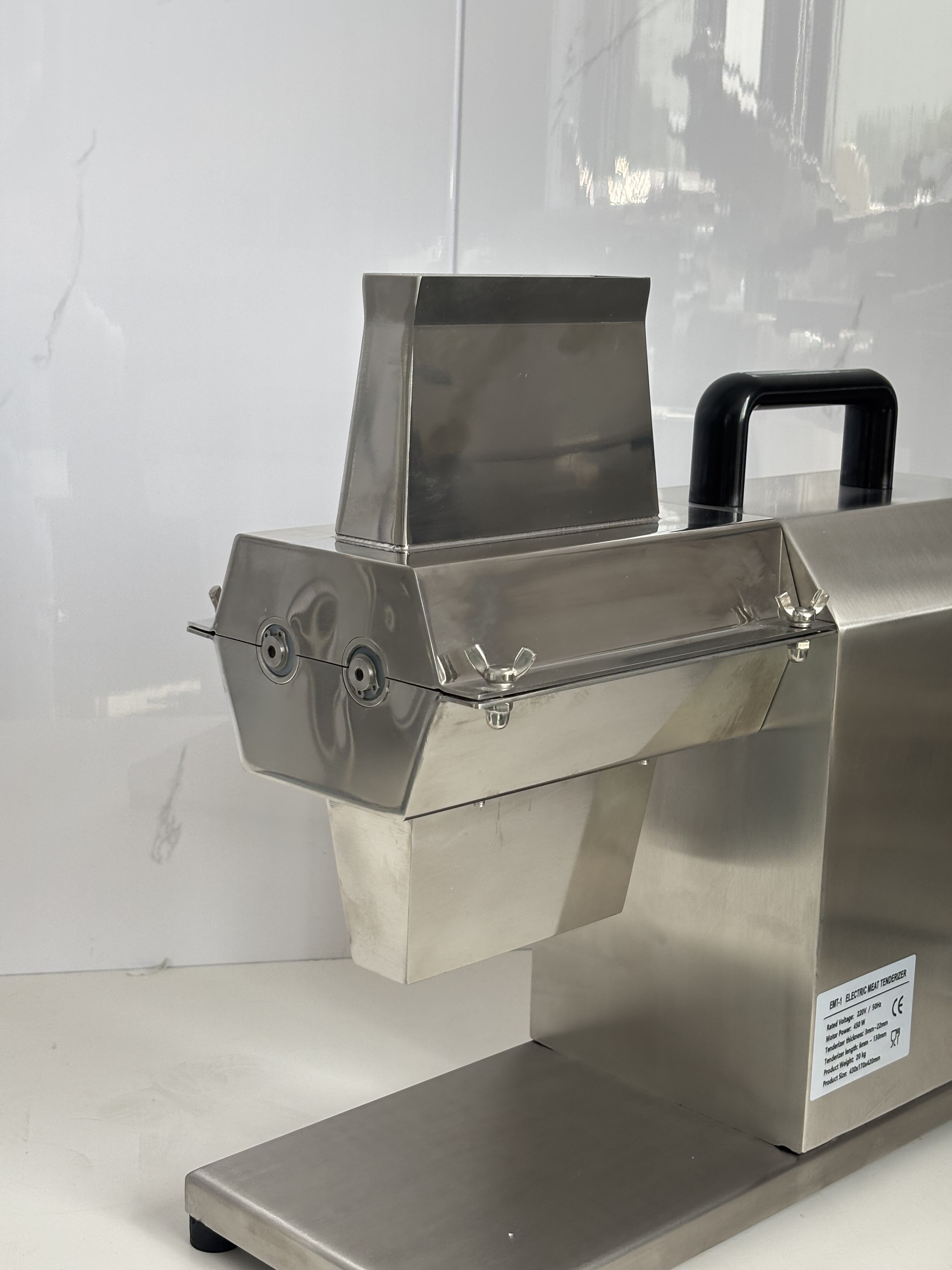
Precision Depth Control: Matching Tenderization to Cut Type for Optimal Flavor-Texture Balance
Beef (top round), pork (shoulder), and chicken (breast): recommended depth settings and flavor outcomes
Getting the right penetration depth when using a meat tenderizer makes all the difference depending on what cut we're working with. Beef top round, which tends to be pretty tough with lots of connective tissue, works well around 10 to 12 mm deep. This setting helps break up those stubborn fibers without turning the meat into mush, and it actually lets marinades soak in better too - studies show up to 35% improvement! For pork shoulder, going shallower at about 8 to 10 mm hits just the right spot. The needles pierce those little fat pockets inside the muscle, releasing compounds that lock in moisture during long slow cooking sessions and give that nice crusty finish. Chicken breasts need even more care though. Stick to 6 to 8 mm so we don't tear through the flesh but still create tiny channels for herbs and spices to work their magic. Tests indicate this can boost flavor infusion by roughly 25%, yet keeps that tender texture everyone loves. Getting these settings right really transforms how our proteins taste while keeping them from falling apart on the plate.
Workflow Integration: How a Meat Tenderizer Machine Accelerates and Standardizes Flavor-Forward Preparation
62% faster marination cycles without sacrificing depth—validated in culinary engineering studies
Adding a meat tenderizer machine to commercial kitchens helps create more consistent flavors throughout dishes while cutting down on prep time significantly. According to studies in culinary engineering, proteins that have been tenderized soak up marinades about 62 percent quicker compared to when chefs do it by hand. And here's the kicker they actually absorb the flavors just as deeply because these machines create tiny channels through the meat that go right past those tough muscle fibers. What this means is better flavor distribution no matter what cut we're working with, more predictable outcomes when cooking, even if different staff members handle the task, plus faster batch processing for busy restaurants. Machines take away all that guesswork from pounding meat manually and increase the surface area available for seasoning between 15 and 22 percent according to data from the Culinary Institute of America back in 2023. Plus, this ensures good browning reactions happen consistently during cooking, turning what used to be a tedious job into something that scales easily without losing that premium texture or taste quality we all look for.
Table of Contents
- How a Meat Tenderizer Machine Improves Marinade Absorption and Flavor Penetration
- Structural Disruption and Surface Area Expansion for Enhanced Flavor Development
- Precision Depth Control: Matching Tenderization to Cut Type for Optimal Flavor-Texture Balance
- Workflow Integration: How a Meat Tenderizer Machine Accelerates and Standardizes Flavor-Forward Preparation