
 EN
EN
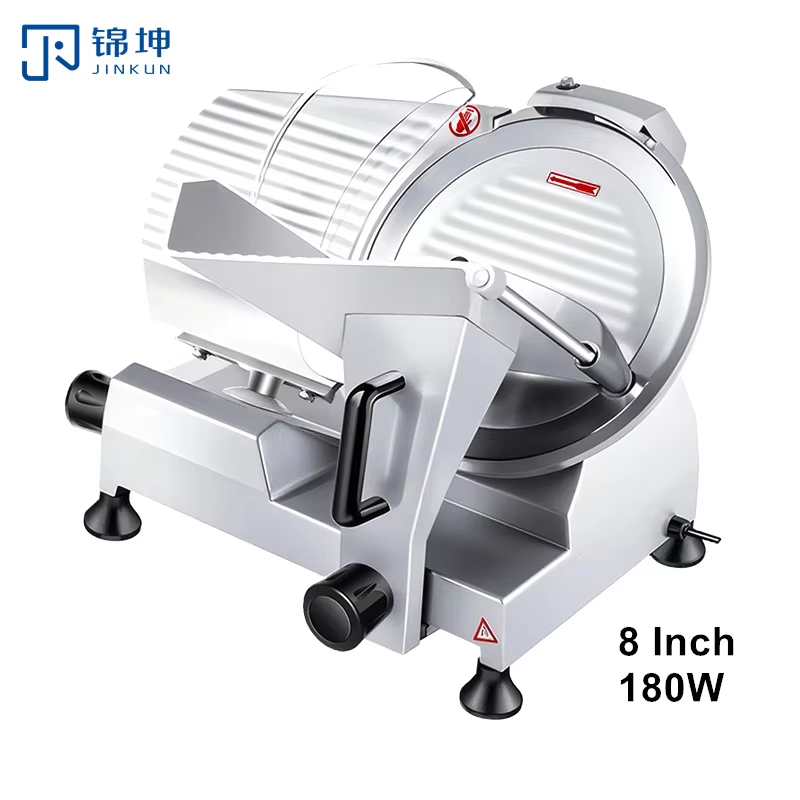
Precision Slicing: Elevating Plating Aesthetics and Visual Consistency
Uniform Thickness and Edge Integrity: How Automatic Slicers Achieve Micro-Level Precision for High-End Plating
An automatic slicer transforms ingredient preparation by delivering slices with consistent thickness and flawless edges—critical for high-end plating where every millimeter counts. Advanced rotary blades and laser-guided calibration systems adjust in real time, compensating for density variations across proteins, vegetables, and terrines. This control reduces thickness variance to as little as ±0.05 mm (Culinary Engineering Research, 2024), eliminating the waviness and tearing common with manual knives. Chefs can then build vertical stacks, delicate shingled arrangements, and symmetrical mosaics that hold their shape from kitchen to table. The clean cuts prevent surface cell damage, minimizing moisture loss and oxidation—preserving vibrant color and texture. Servo-driven pressure sensors maintain gentle yet firm contact, slicing delicate items like cured salmon or foie gras without crushing. This micro-level precision ensures every plate across a dinner service mirrors the chef’s original vision, reinforcing the restaurant’s reputation for meticulous craftsmanship.
The Role of Light Reflection and Surface Geometry in Perceived Freshness and Texture
A perfectly planar slice acts like a tiny mirror, enhancing how light interacts with food. Smooth, flat surfaces reflect light uniformly—making ingredients appear glossier, juicier, and more vibrant. The brain interprets this specular reflection as supreme freshness. In contrast, rough, uneven cuts scatter light and create shadows that dull colors and suggest dryness. Automatic slicers produce surfaces with minimal friction ridges, amplifying natural highlights on proteins and glossy vegetables. This effect is central to neurogastronomy: visual cues prime expectations of taste and texture before the first bite. By controlling slice angle and face geometry, chefs can deliberately manipulate light bounce—turning even a simple ingredient into a luminous focal point that signals quality and care.
Portion Control and Waste Reduction: Operational Benefits of Automatic Slicers in Fine Dining Kitchens
Quantifying Consistency: Portion Variance Data (Manual vs. Automatic Slicer) and Its Impact on Yield and Cost
Traditional hand slicing introduces silent margin erosion. Industry audits show experienced chefs consistently deviate 8–15% from target portion weights—especially during high-volume service. An automatic slicer locks in programmable thickness, achieving portion variance below 2% across hundreds of cuts. This micro-level control directly lifts yield: a leading hospitality consultancy reported six-figure annual savings for a multi-outlet fine-dining group after switching to automated slicing (2023 industry report). Less over-portioning means less raw material waste; exact slice counts enable tighter inventory forecasting. Bulk purchasing becomes strategic when every kilogram of premium dry-aged beef or artisan cheese is cut to precise specifications—eliminating scrap from misshapen ends. The result is lower cost of goods sold and a more predictable supply chain—without compromising perceived value on the plate.
From Kitchen Efficiency to Guest Trust: How Reliable Uniformity Reinforces Brand Excellence
Beyond the balance sheet, seamless portion consistency builds powerful psychological alignment with guests. Diners notice—often subconsciously—when every plate leaving the pass looks identical in composition and scale. This visual rhythm signals precision and care, reinforcing the restaurant’s reputation for excellence. When a returning guest receives exactly the same generous-but-controlled portion every visit, trust in the brand deepens. An automatic slicer sustains this promise shift after shift, removing variability caused by fatigue or skill differences among chefs. Labor efficiency gains free skilled staff to focus on delicate plating and guest interaction rather than repetitive cutting—elevating the overall experience. The kitchen becomes an engine of reliable delight, where operational discipline fuels front-of-house confidence, turning a back-of-house tool into a cornerstone of brand integrity.
Workflow Integration: How Automatic Slicers Streamline Prep Without Compromising Artistic Flexibility
Time-to-Plate Optimization: Reducing Lag While Supporting Custom Slice Profiles and Multi-Ingredient Adaptability
In fine dining, every second between ordering and plating counts. An automatic slicer cuts prep time dramatically—what takes a chef 10–15 minutes by hand for a tray of heirloom tomatoes is finished in under two minutes with identical, clean-edged slices. The machine feeds product at a steady, pre-set pace while the operator handles other tasks, slashing idle time without sacrificing precision. Chefs retain full creative control through programmable thickness settings: one profile delivers paper-thin prosciutto; another yields a robust 3 mm cut for root vegetables—all switched with a single button. This adaptability extends across soft cheeses, firm charcuterie, delicate fish, and moist vegetables, eliminating tool changes and recalibration. By turning repetitive hand-slicing into a quick, reliable step, the automatic slicer prevents kitchen bottlenecks and frees culinary teams to focus on intricate plating, garnishes, and flavor balancing—supporting both high-speed service and the artistic flexibility essential to a memorable fine-dining experience.
The Sensory Bridge: How Automatic Slicer Output Influences Front-of-House Perception and Neurogastronomic Response
The precise output of an automatic slicer does more than streamline kitchen workflow—it directly shapes the diner’s multisensory experience. Research in neurogastronomy shows that visual cues like uniform slice geometry prime the brain’s expectation of taste and texture. Clean edges reflect light consistently, signalling freshness and meticulous preparation. This visual consistency triggers sensation transference: perceived quality rises simply from the precision of presentation. Irregular cuts, by contrast, can unconsciously suggest carelessness—potentially lowering enjoyment before the first bite. The flawless geometry produced by automatic slicers reinforces a narrative of culinary excellence aligned with fine dining ethos. Consistent thickness also ensures uniform mouthfeel and flavor release across every bite, avoiding the sensory dissonance uneven textures provoke. By bridging kitchen technique and front-of-house perception, automatic slicers embed a subtle but powerful neurogastronomic signal of quality—elevating the entire dining experience.
FAQ Section
What are automatic slicers used for?
Automatic slicers are used to produce consistent, precise slices of food ingredients, which are essential for high-quality plating and restaurant efficiency.
How do automatic slicers improve visual aesthetics?
By creating perfectly planar slices, automatic slicers enhance light reflection and surface geometry, making food appear glossier and more vibrant, which boosts visual appeal.
What operational benefits do automatic slicers provide?
They reduce portion variance, save time, lower food waste, optimize inventory management, and enhance kitchen efficiency.
Can automatic slicers handle delicate ingredients?
Yes, with advanced pressure sensors and adjustable settings, automatic slicers can handle delicate items like cured salmon and foie gras without damage or crushing.
Table of Contents
- Precision Slicing: Elevating Plating Aesthetics and Visual Consistency
- Portion Control and Waste Reduction: Operational Benefits of Automatic Slicers in Fine Dining Kitchens
- Workflow Integration: How Automatic Slicers Streamline Prep Without Compromising Artistic Flexibility
- The Sensory Bridge: How Automatic Slicer Output Influences Front-of-House Perception and Neurogastronomic Response
- FAQ Section