
 EN
EN
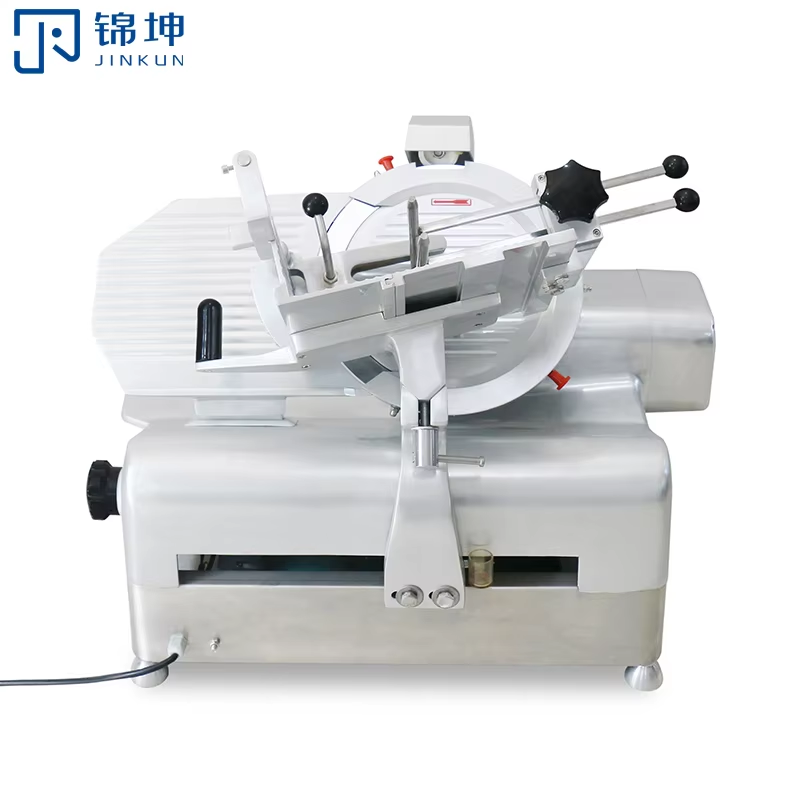
The Labor Crisis in Supermarket Delis and the Role of Automatic Slicers
Rising Wage Pressures and Chronic Staffing Gaps in Meat Departments
Meat departments across the country face a persistent staffing shortage. Wage inflation has pushed hourly pay past $18 in many regions, yet annual turnover often exceeds 70%. Operators struggle to fill skilled roles—especially manual slicers—while remaining staff absorb heavier workloads. This cycle drives up labor costs and erodes service consistency. An automatic slicer directly addresses the root cause: the most time-consuming, repetitive task on the shift. By mechanizing slicing, supermarkets reduce reliance on scarce manual cutting talent and stabilize labor expenses.
How Automatic Slicers Directly Offset Manual Slicing Hours per Shift
A single automatic slicer processes up to 60 slices per minute—matching or exceeding the output of one to two dedicated staff during peak periods. In a typical deli running two peak shifts, this eliminates three to four hours of manual slicing daily. Over a week, that’s 20+ hours of labor that can be redeployed or removed from the schedule. The savings compound quickly: fewer overtime hours, lower payroll costs, and reduced physical strain on employees. In high-volume departments, payback on an automatic slicer often occurs within months—not years. Its consistent speed and precision also cut waste, adding another layer of cost control.
Strategic Staff Reallocation Enabled by Automatic Slicers
Reducing Cross-Training Burden Through Consistent, Set-and-Forget Operation
Supermarket deli managers spend significant time training staff to slice meats to precise thicknesses while minimizing waste. Manual slicing demands muscle memory, constant supervision, and repeated correction. An automatic slicer removes this variability. With programmable settings, any team member can produce uniform cuts after a brief walkthrough—no weeks of practice required. This slashes cross-training time across shifts and accelerates onboarding. Managers deploy workers faster, ease scheduling friction, and sustain quality even amid turnover. One short demonstration replaces days of hands-on coaching, freeing managerial bandwidth for higher-value responsibilities.
Shifting Labor from Repetitive Slicing to Customer Service and Upselling
Every hour spent behind a manual slicer is an hour lost to customer engagement. Automating repetitive slicing frees staff to assist shoppers, answer questions, and recommend premium items—turning transactional interactions into relationship-building opportunities. Employees shift from monotonous preparation to active upselling: suggesting marinades, explaining portion options, or customizing orders. This upskilling improves job satisfaction and lifts per-transaction value. Delis reallocating just two hours of slicing time per shift frequently report measurable gains in prepared-food sales and repeat visitation. The automatic slicer transforms the deli from a cost center into a profit driver—by letting people do what machines cannot: connect with people.
Productivity Gains and ROI: Speed, Precision, and Payback of Automatic Slicers
Eliminating Fatigue-Induced Errors: Consistent Cuts vs. Manual Variability
Manual slicing grows inconsistent as operator fatigue sets in over a shift. An automatic slicer maintains exact thickness and weight for every slice—regardless of volume or duration. This eliminates giveaway—the hidden cost of over-portioning—and tightens portion control without added oversight. Consistency also improves first-pass quality, reducing rework and customer complaints. The result is dual benefit: labor savings and stronger margins.
Investment Analysis: 14-Month Average Payback Period (FMI 2023 Data)
Automation requires upfront capital—but the return on investment for automatic slicers is rapid and predictable. According to the Food Marketing Institute’s 2023 benchmarking data, the average payback period is 14 months. This figure reflects direct labor savings from reduced slicing hours, lower product waste due to precision, and decreased worker injury costs associated with repetitive motion and blade handling. When a single machine replaces 8–10 hours of manual labor per shift, the math becomes clear: for most supermarket operators, the slicer pays for itself well within its first year of operation.
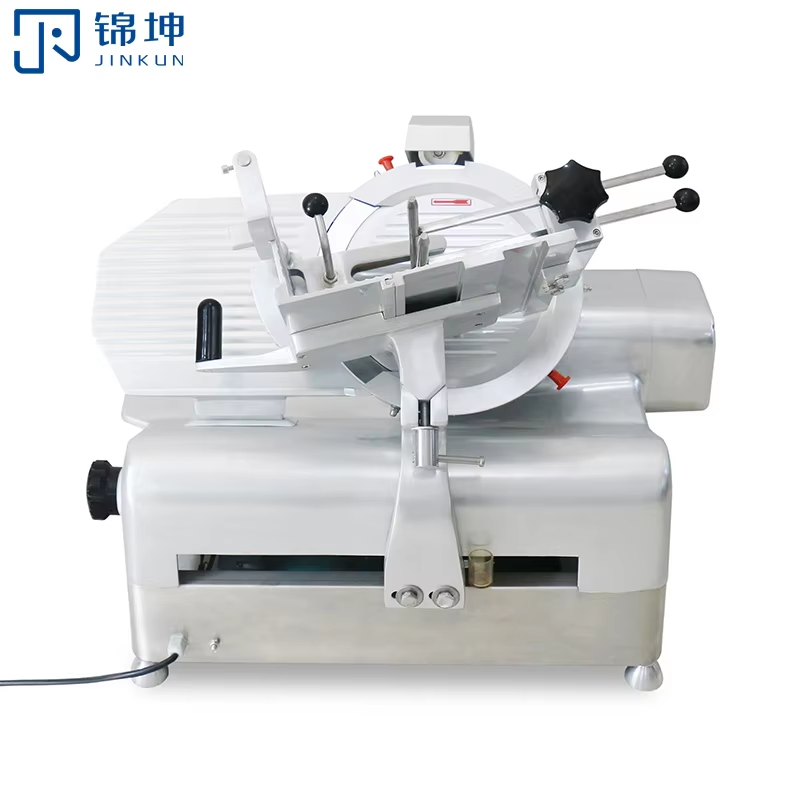
Hidden Labor Savings: Sanitation Efficiency with Modern Automatic Slicers
Sanitary Design Cuts Daily Cleaning Time by Up to 22 Minutes per Station
Sanitation is non-negotiable in meat departments—but traditional manual slicer cleaning is labor-intensive and time-consuming. Modern automatic slicers are engineered for food safety: dishwasher-safe removable components, seamless surfaces that eliminate debris-trapping crevices, and antimicrobial coatings that inhibit bacterial growth. These features dramatically reduce cleaning effort and time per cycle. Research shows such designs save up to 22 minutes per station daily compared to legacy equipment. That’s nearly two hours weekly—freed for other critical tasks—while ensuring consistent, audit-ready sanitation compliance in one of retail’s highest-risk environments.
FAQ
What is the main benefit of automatic slicers in supermarket delis?
Automatic slicers mainly reduce labor dependency for repetitive tasks, stabilize staffing issues, and save time and costs while improving slice consistency and overall productivity.
How much labor time can an automatic slicer save daily?
A single automatic slicer can eliminate three to four hours of manual slicing daily in a typical deli setup, translating into 20+ hours weekly for redeployment or removal.
Can automatic slicers improve customer service?
Yes, by automating slicing, employees can focus more on engaging with customers, providing personalized experiences, upselling premium items, and building customer relationships.
What is the typical payback period for an automatic slicer?
According to Food Marketing Institute’s 2023 data, the average payback period is approximately 14 months, with rapid returns on investment due to extensive labor cost savings and efficiency improvements.
How do modern automatic slicers contribute to sanitation efficiency?
Modern automatic slicers feature sanitary designs with dishwasher-safe parts and antimicrobial coatings, reducing cleaning time per station by up to 22 minutes daily, ensuring consistent food safety standards.
Table of Contents
-
The Labor Crisis in Supermarket Delis and the Role of Automatic Slicers
- Rising Wage Pressures and Chronic Staffing Gaps in Meat Departments
- How Automatic Slicers Directly Offset Manual Slicing Hours per Shift
- Strategic Staff Reallocation Enabled by Automatic Slicers
- Productivity Gains and ROI: Speed, Precision, and Payback of Automatic Slicers
- Hidden Labor Savings: Sanitation Efficiency with Modern Automatic Slicers
- FAQ