
 EN
EN
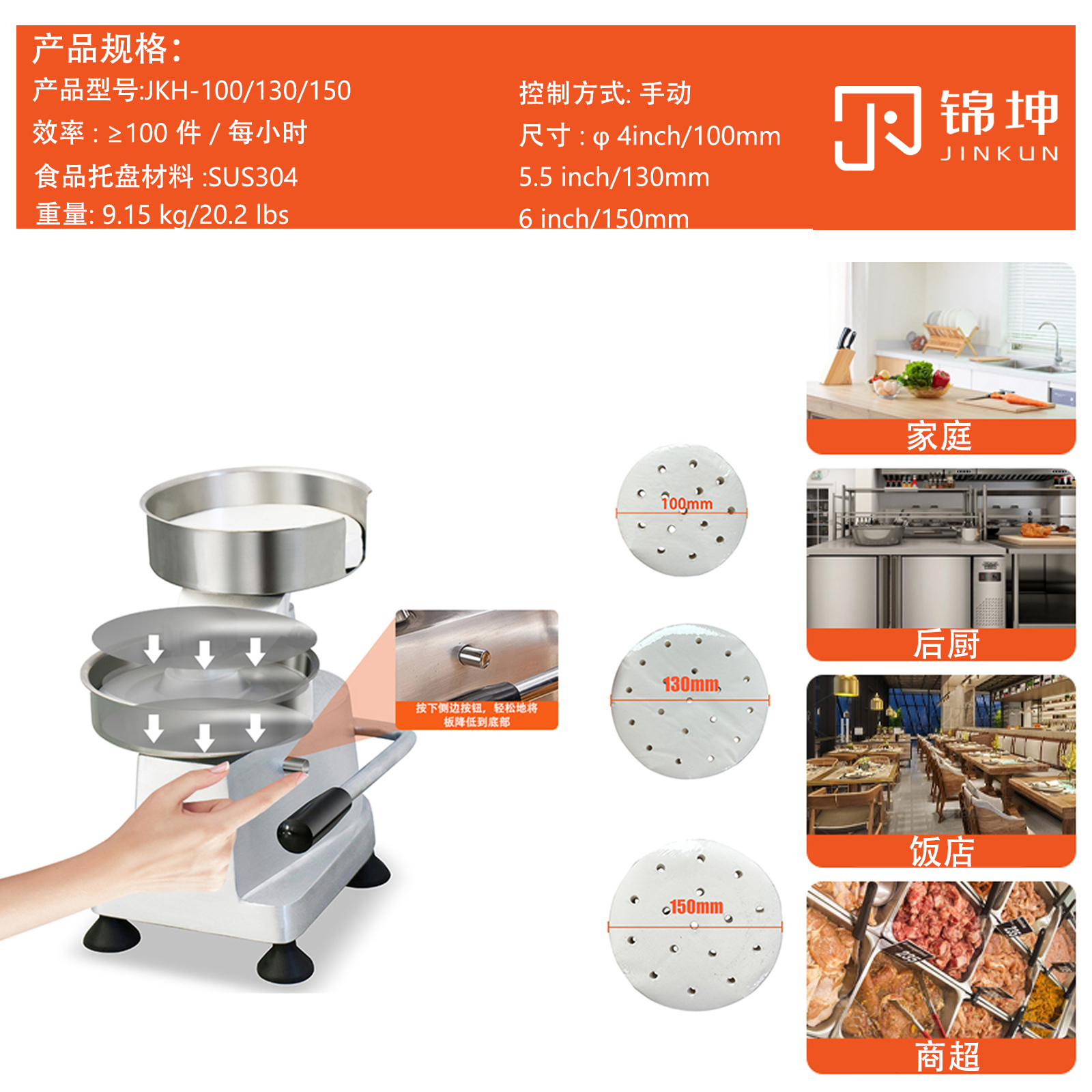
The Science of Consistency: How Hamburger Presses Standardize Patty Size, Shape, and Weight
Why Hand-Formed Patties Fail at Scale: Variability Across Shifts and Staff
When making patties by hand, mistakes happen all along the line. Staff get tired during busy times and apply pressure inconsistently, which means burger weights can swing wildly from around 90 grams up to 120 grams when they should be exactly 4 ounces (about 113 grams). These variations mess up the cooking process too thin parts burn while thick centers stay raw inside. Things get worse when shifts change because everyone has their own technique some pack the meat too tight, making it tough to chew, while others leave gaps that just shrink away during cooking. According to restaurant industry reports, places that rely on manual methods throw out about 11% more food than those using machines. Try as they might, operators simply cannot maintain consistent quality standards in fast paced kitchens without some kind of mechanical system keeping things standardized.
Mechanical Compression Physics: Reproducible Density, Geometry, and Cook-Evenness
Hamburger presses work by applying carefully measured hydraulic or pneumatic pressure to form burgers with consistent density around 1.18 to 1.22 grams per cubic centimeter. The die plates used have very tight tolerances of about plus or minus 0.3 millimeters which helps maintain the same surface area to thickness ratio across all patties. This makes sure they cook predictably since heat spreads through them evenly. Tests actually indicate that when using this method, the patties end up cooking about 22 percent more uniformly compared to ones made by hand. When we compress the meat properly, it aligns the proteins better too, cutting down on juice loss somewhere around 15 percent according to various studies in food science journals. Keeping everything within strict specs matters a lot too. Weight needs to stay within half a gram and diameter should be around 107.5 mm give or take half a millimeter for standard quarter pound patties. These kinds of systems just can't be matched for consistency from one batch to another what manual preparation simply cannot achieve.
Waste Reduction Through Precision Portion Control with Hamburger Presses
Data-Driven Savings: 12–18% Less Beef Waste After Hamburger Press Adoption
Restaurants that switch to industrial burger presses tend to cut down on beef waste by around 12 to 18 percent, as shown in data released by the National Restaurant Association back in 2023. The main reason? People just can't be as consistent when forming patties by hand. Manual shaping often leads to weight differences of about 10 to 15 percent between burgers. These machines fix that problem by pressing the meat evenly and precisely. They make sure each patty has the right amount of meat packed together properly. This means restaurants don't end up giving away extra meat they didn't plan for, and everything stays within what's listed on the menu. Better still, this kind of precision helps kitchen staff manage their stock more effectively. Less meat goes bad sitting around unused, and there's no need to buy extra supplies just to cover possible shortages.
Tolerance Engineering: Calibrated Die Plates Deliver ±0.5g Accuracy for 4oz Patties
The latest burger press tech gets really good at getting portions right thanks to those fancy CNC machined dies and controlled hydraulic systems. We're talking about keeping things within half a gram for regular 4 ounce patties, which works out to about 0.4% difference. That kind of tight control means every patty actually weighs what it's supposed to weigh. No more of that giveaway problem that happens when people shape burgers by hand. Workers tend to pile on extra meat just because something looks off visually. When these machines handle thousands upon thousands of burgers a day, all that tiny bit of waste adds up fast. Restaurants save serious money over time because they aren't throwing away hundreds of grams worth of meat each day thanks to better yield calculations.
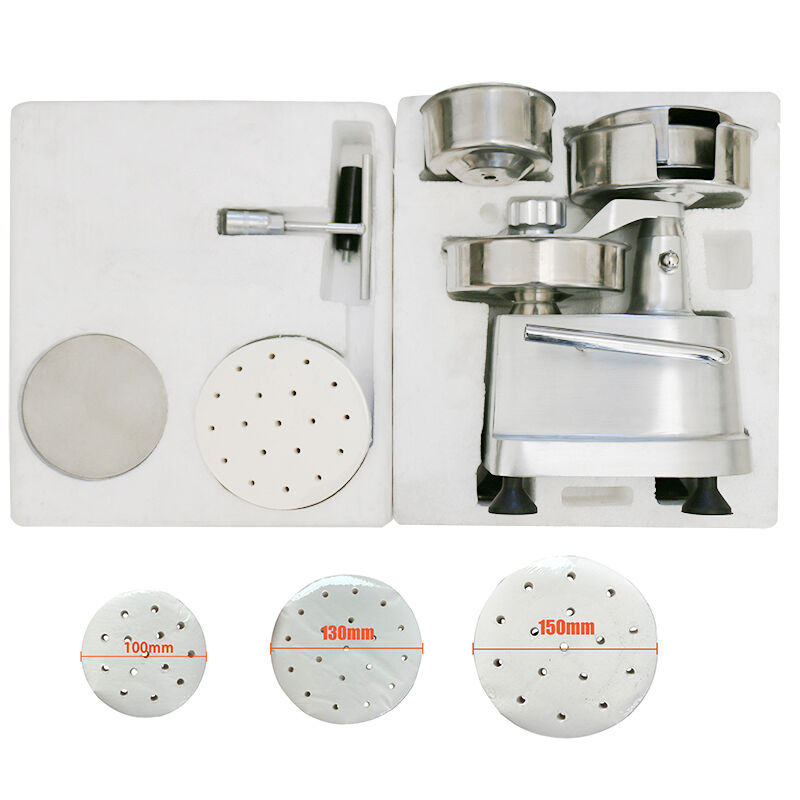
Labor Efficiency and Operational ROI of Commercial Hamburger Presses
Breaking Down the Investment: CapEx vs. Payback Timeline in Fast-Casual Kitchens
Hamburger presses for commercial kitchens completely change how patties get made, moving away from the old way of shaping them by hand to something much more precise and efficient. The price tag varies quite a bit too - basic models start around $500 but can go up to nearly $5k depending on what size operation needs. Most places see their money back pretty quickly though, usually within a month or two when they're running at full speed. Why? Two main reasons really cut into expenses. First off, staff spend anywhere between half an hour to an hour less each shift because there's no need to manually portion out ground beef anymore. Second, those specially designed dies help cut down on wasted meat by about 12% to almost 20%. A well known fast food spot actually told us they got their money back in just under three months after switching to these machines, thanks both to less waste and having employees work on other things that bring in cash instead of standing over griddles all day. When figuring out if it makes sense financially, most operators look at how much each patty costs versus what workers earn locally and how many burgers fly out the door daily. Bottom line? These presses tend to pay for themselves faster than most people expect.
Beyond Speed: How Reduced Physical Strain Lowers Fatigue-Related Errors and Turnover
Hamburger presses do more than just save time when it comes to ergonomics. When making patties manually, workers have to keep bending their wrists over and over while applying steady pressure. Occupational health reports from the National Restaurant Association show about 58% of kitchen staff experience some kind of cumulative trauma within just six months of doing this work. The tiredness from all that repetition leads to mistakes too. Patties might end up different sizes or fall apart because the meat isn't packed properly, which affects both quality and creates food safety problems. Automated presses take care of these issues by applying even pressure every single time through mechanical means. Restaurants that switch to these machines see real benefits. A recent study showed kitchens using them had around 27% fewer complaints about repetitive strain injuries and kept their staff 15% longer each year compared to those still using manual methods. Fewer people leaving means less money spent on training new hires, plus better consistency when business is busiest. That's something most restaurant owners would call worth the investment.