
 EN
EN
Beverage Trend Drivers Reshaping Juicer Series Design
Rising demand for functional, cold-pressed beverages and its impact on extraction technology
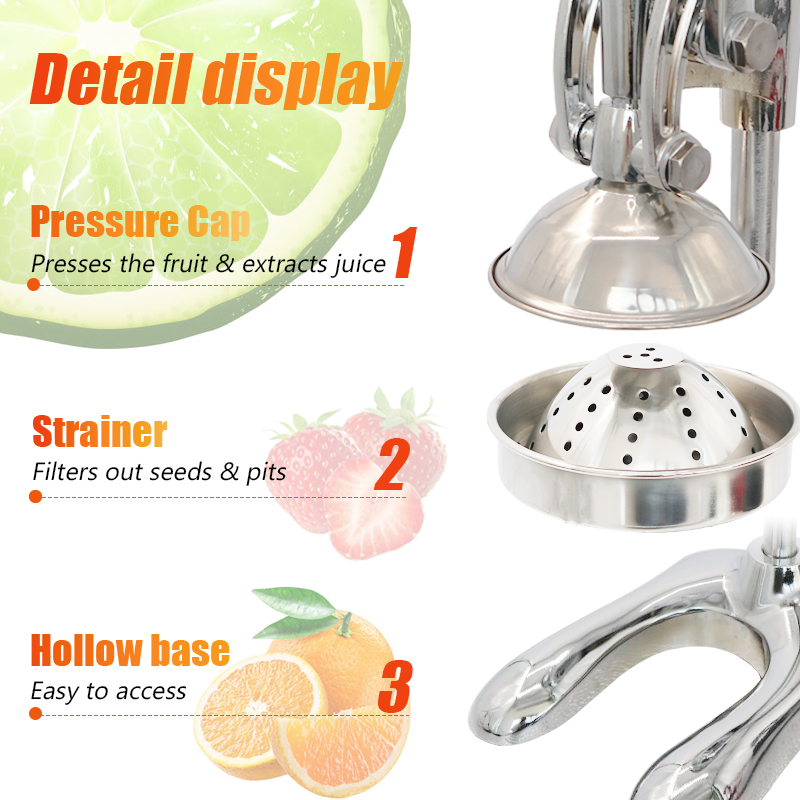
People are getting more interested in those nutrient packed cold pressed juices, and this has really pushed forward what's happening with juicer technology these days. Traditional centrifugal juicers tend to create heat during operation which can actually break down nutrients through oxidation processes. Newer models using slow masticating techniques or hydraulic presses manage to keep around 30 percent more vitamins intact according to some recent research papers published in reputable journals. We've seen a pretty big jump in demand for freshly squeezed products lately too about 18% growth last year according to Statista and IFIC reports from 2024. Because of this trend, companies making juicers have been working hard on improving things like how much pressure they apply, separating out pulp better, and getting higher yields overall. Manufacturers now incorporate special auger designs along with gentle extraction methods that help get maximum juice without damaging important bioactive components needed for those health benefit claims on packaging. Plus there's less foam produced when using these newer machines, and the juice stays fresh longer in the fridge sometimes as long as three whole days. These improvements make it easier for juice bars and restaurants focused on healthy eating options to offer quality products that meet customer expectations for both taste and nutrition.
Consumer expectations for freshness traceability and transparency driving IoT-integrated juicer series
Modern customers want proof their food is fresh, and restaurant kitchens are getting smart about it with juicers equipped with internet sensors that track where fruits come from during each juice run. These machines have built-in sensors watching temperatures as they go, keeping tabs on where specific batches of fruit originated, plus measuring how much oxygen gets into the juice after pressing. According to the latest industry stats, around three quarters of people sitting down for a meal say checking freshness matters a lot when they eat out somewhere. The cloud connected versions even make QR codes automatically showing when juices were made, where ingredients came from, and how nutrients hold up over time – basically turning behind the scenes info into stories customers can scan themselves. And there's another bonus too: these systems predict when parts might fail based on how they vibrate, cutting unexpected breakdowns by almost half in busy restaurants. That means smoother operations day after day while still keeping everything safe to eat and maintaining that all important reputation for quality.
Commercial Juicer Series Deployment Across Key Food Service Channels
High-output juicer series powering juice bars and healthy restaurant menus with real-time fresh-squeezed capability
The new wave of industrial juicers is changing what we expect from speed, consistency, and how well nutrients stay intact at those busy juice spots and health-oriented eateries. These machines can handle around 150 to 200 pounds of fruits and veggies every hour, which means customers get their fresh pressed drinks right when they need them most during rush hours. The difference? About 30% faster than regular commercial units according to industry benchmarks. Designed to run nonstop all day long, most models come with durable stainless steel bodies, automatic pulp removal systems, plus parts that actually survive going through dishwashers repeatedly. This saves tons of time cleaning up after service ends, especially important for places operating out of airports or city center wellness cafes where staff turnover tends to be high. What really sets these apart though is their ability to keep enzymes active and colors vibrant even during massive production batches. For business owners making health claims about their products, this matters a lot because nobody wants to serve something that looks dull or tastes off just because it was processed in bulk quantities.
Compact citrus and hybrid juicer series meeting on-site freshness demands in grocery and grab-and-go retail
We're seeing more and more retailers putting these space saving citrus juicers and hybrid models right where customers can see them at deli counters, near store exits, and even next to checkout lanes. The small footprint machines handle everything from soft fruits to tough veggies and citrus all in one spot. They're responding to that huge jump in people wanting fresh drinks they can take with them - Nielsen reported an 83% increase last year. No need for separate prep areas either. Staff members don't need much training thanks to simple one button controls, built in waste bins, and easy to understand interfaces. This means busy stores can keep producing quality juice throughout peak hours. What makes these juicers really work for stores? They turn regular produce stock into profitable drinks that sell fast but won't sit around long. Field tests at local grocery chains show spoilage drops by about 22% when using these in store juicing setups.
Dual-Use Juicer Series: Bridging Home Wellness Rituals and Professional Menu Innovation
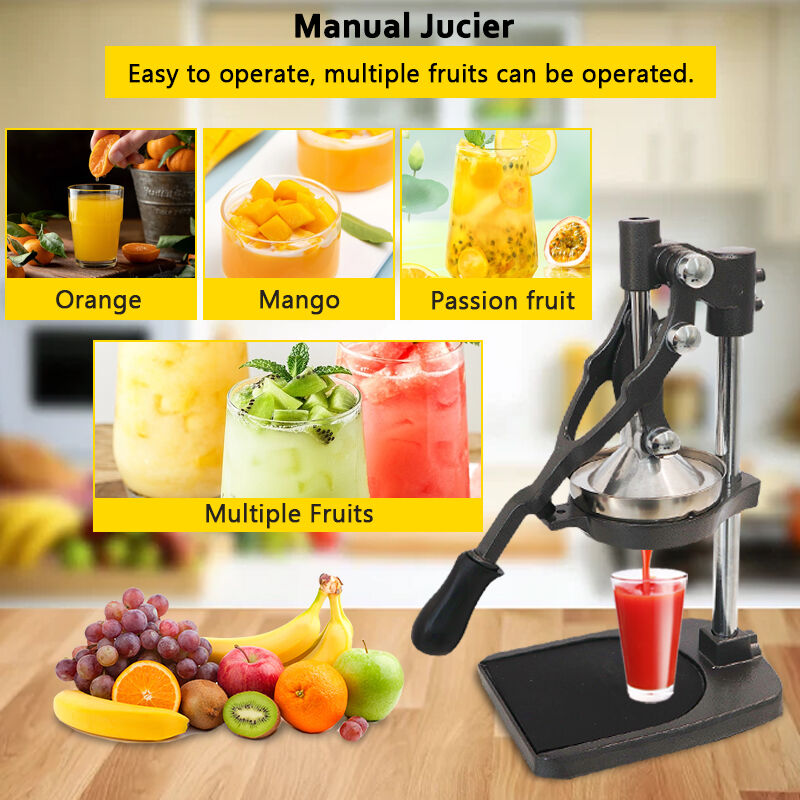
The new dual use juicer line bridges what was once a gap between home health habits and pro level drink making. Built with powerful extraction capabilities similar to commercial models but still meet home safety standards (think UL and ETL certified), these appliances work great for regular household juicing needs. They also come in handy for temporary bars at events, small catering gigs, or even tiny cafe setups where space is tight. What makes them special? The consistent settings let both chefs and diet experts recreate those fancy restaurant style juices right in someone's kitchen. Imagine whipping up that popular turmeric ginger blend or those beet kale shots people love so much for boosting immunity. For folks running smaller operations, getting one of these multi purpose machines cuts down on buying separate equipment and saves around 30% on upfront costs. Makes sense when we look at how our eating habits have changed lately. Recent food industry reports show a jump of nearly 68% in people blending work life with better nutrition choices. These versatile juicers help businesses keep their recipes consistent no matter where they are made, which builds brand recognition and keeps customers coming back for more.
Market Validation: Juicer Series Growth Aligned with Fresh Beverage Demand
2023–2024 CAGR data: 12.4% YoY juicer series adoption growth mirroring 18% surge in fresh-squeezed juice demand (Statista, IFIC)
The market is definitely growing together with something else happening at the same time. Commercial juicer series saw adoption increase by about 12.4% last year compared to 2023, which pretty much matches up with how people are drinking more fresh squeezed juice these days. Statista and IFIC report that fresh juice consumption went up around 18% during this same timeframe. This isn't just random stuff happening side by side. There's actually good reason behind why manufacturers keep improving their juicers while consumers want healthier options. More and more folks are looking for drinks that aren't heavily processed, come from known sources, and have real benefits backed up by science. Because of this trend, restaurant owners and cafe managers aren't just buying juicers anymore they're investing in equipment that forms part of their business strategy. These machines help maintain nutrition levels in juices, work reliably day after day, and allow tracking where ingredients came from. That combination makes them essential for anyone running a fresh beverage operation whether it's a small juice spot or a big chain with stores everywhere.