
 EN
EN
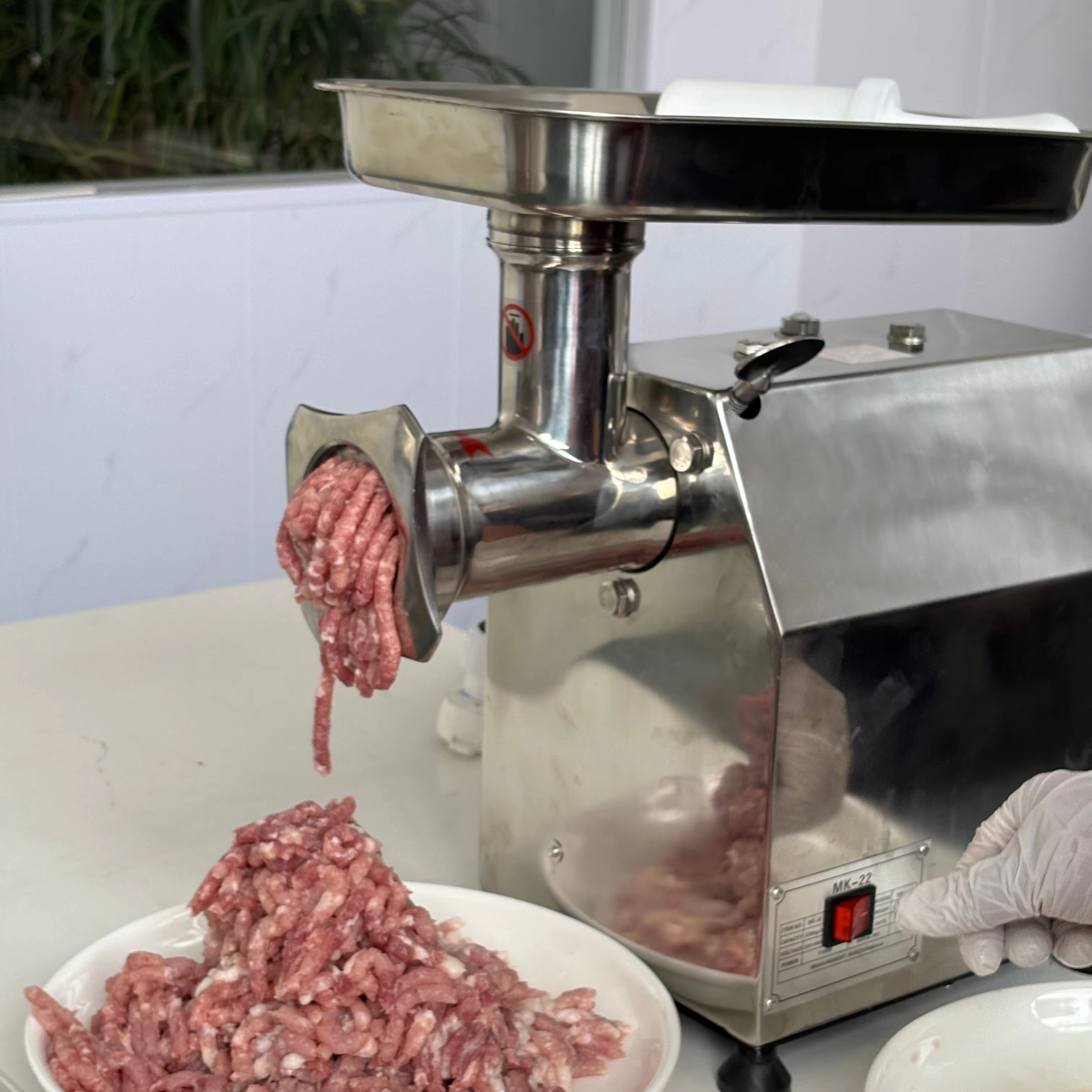
Meat Grinder Versatility: From Meat-Only Tool to Multi-Functional Kitchen Hub
Why modern meat grinders handle far more than meat — and how attachment ecosystems unlock new functions
Gone are the days when meat grinders were confined to processing cuts of beef or pork. Today’s models have evolved into versatile kitchen hubs, thanks to comprehensive attachment ecosystems. These accessory sets transform your grinder into a multi-tasking powerhouse capable of handling vegetables, cheeses, nuts, and even dough. The key lies in modular design—universal hubs accept sausage stuffers, pasta extruders, and fruit strainers. This shift responds directly to consumer demand for space-saving appliances that deliver restaurant-quality results at home. By switching attachments, home cooks can create gourmet sausages with custom spice blends, extrude fresh pasta shapes, or prepare smooth fruit purees for desserts. Such versatility makes a meat grinder one of the most cost-effective investments for culinary enthusiasts seeking to expand their repertoire beyond basic grinding.
The engineering principle behind versatility: adjustable grinding plates, shear-based texture control, and low-heat operation
The core engineering enabling this expanded functionality centers on three critical design elements. First, interchangeable grinding plates with varying hole diameters (from 3mm to 12mm) allow precise texture control—coarse for salsas, medium for burgers, fine for pâtés. Second, shear-based cutting systems minimize friction, preventing undesirable heat buildup that could melt cheese or cook eggs during processing. Third, specialized auger designs maintain low operational temperatures below 40°F (4°C), crucial for preserving the integrity of heat-sensitive ingredients like herbs or delicate fruits. Manufacturers achieve this through thermal-efficient motors, precision-tolerance gears, and food-grade polymer components—collectively insulating ingredients from motor-generated heat and eliminating metal-on-metal contact.
This trifecta transforms what was once a single-purpose tool into a versatile preparation center capable of handling nearly any ingredient requiring controlled mechanical breakdown.
Essential Meat Grinder Attachments and Their Real-World Applications
Sausage stuffer: precision extrusion for consistent casings and custom blends
The sausage stuffer attachment transforms your meat grinder into a specialized sausage-making workstation. Interchangeable extrusion tubes (typically 3/8" to 1" diameters) ensure uniform casing filling for consistent texture and cooking results. This precision enables custom flavor experimentation—blending meats with herbs, cheeses, or dried fruits while maintaining structural integrity. For best results, use chilled ingredients and apply steady pressure with the food pusher—not hands—to prevent air pockets and ensure food safety.
Fruit strainer and pasta extruder: expanding beyond proteins into dairy, produce, and grains
Specialized attachments dramatically increase a meat grinder’s versatility beyond animal proteins. The fruit strainer efficiently separates seeds and skins from soft produce like tomatoes or berries, creating smooth purees for sauces and preserves. Meanwhile, pasta extruders shape dough into uniform noodles using bronze dies that create authentic textured surfaces for sauce adhesion. When processing hard cheeses, use coarse grinding plates and monitor motor temperature to prevent smearing. For vegetables like potatoes, maintain firm texture by pulsing in short bursts and avoiding over-processing. These attachments convert single-purpose equipment into a multi-functional kitchen asset—while observing material-specific limitations.
Optimizing Non-Meat Foods with a Meat Grinder: Best Practices and Limitations
Processing potatoes, cheese, and vegetables — speed, texture, and temperature considerations
Modern meat grinders handle vegetables, potatoes, and cheeses efficiently when operators adjust technique—not just settings. For root vegetables like potatoes or carrots, use a coarse grinding plate and feed small, evenly sized chunks to prevent motor strain. Semi-frozen cheese blocks (particularly hard varieties like cheddar) maintain structural integrity during grinding, avoiding gumming. Crucially, limit continuous run time to 90 seconds for heat-sensitive items—extended operation risks melting fats in cheeses or oxidizing vegetables. A 2024 Kitchen Appliance Performance Study found that properly chilled ingredients processed at medium speed yielded 23% better texture retention than room-temperature items.
When to avoid high-speed grinding: mitigating fat smearing in aged cheeses and heat-sensitive ingredients
High-speed settings generate excessive friction, damaging delicate ingredients like aged Gouda or fresh herbs. Fat separation occurs above 45°F (7°C) in many cheeses, leading to smearing. Instead:
- Use pulse functionality for herbs and leafy greens
- Select the largest grinding plate for soft cheeses
- Pre-freeze ingredients to 32°F (0°C) for 30 minutes
- Process ≤ 4 oz batches of heat-sensitive items
For optimal results with nuts or chocolate, manual grinders provide superior temperature control versus electric models. When processing non-meat items, always prioritize low-RPM settings and thermal management over speed.
Cross-Platform Compatibility: Integrating Meat Grinders with Stand Mixers and Modular Systems
Kitchen efficiency often hinges on equipment interoperability. Leading stand mixer brands offer meat grinder attachments that transform their core appliance into a versatile processing hub—eliminating the need for dedicated standalone grinders and saving counter space. This integration allows users to leverage the stand mixer’s powerful motor for grinding meats, cheeses, vegetables, and even creating breadcrumbs or extruding pasta. However, compatibility remains brand-specific; attachments designed for one mixer model typically won’t function with competitors’ units. For broader ecosystem integration, some manufacturers are adopting standardized interfaces. Modular designs with stackable components—such as pre-grinding stations or sausage stuffers—further streamline workflows. While universal compatibility is still evolving, prioritizing compatible attachments within a single ecosystem maximizes functionality and minimizes redundant equipment costs, enhancing overall operational efficiency.
FAQ
Can meat grinders process non-meat items efficiently?
Yes, modern meat grinders with attachment ecosystems can handle vegetables, cheeses, nuts, and even dough effectively, provided proper technique and settings are utilized.
How can I prevent heat damage while grinding sensitive items?
Use low-RPM settings, pre-freeze ingredients, and avoid prolonged operation beyond 90 seconds to minimize heat buildup during the grinding process.
What are some key attachments to expand functionality?
Sausage stuffers, fruit strainers, and pasta extruders are essential attachments that broaden the scope of a meat grinder's use beyond meat processing.
Can stand mixers replace standalone meat grinders?
Yes, leading stand mixer brands offer compatibility with meat grinder attachments, transforming their appliance into multifunctional processing hubs, though compatibility depends on the specific brand and model.
Table of Contents
- Meat Grinder Versatility: From Meat-Only Tool to Multi-Functional Kitchen Hub
- Essential Meat Grinder Attachments and Their Real-World Applications
- Optimizing Non-Meat Foods with a Meat Grinder: Best Practices and Limitations
- Cross-Platform Compatibility: Integrating Meat Grinders with Stand Mixers and Modular Systems
- FAQ