
 EN
EN
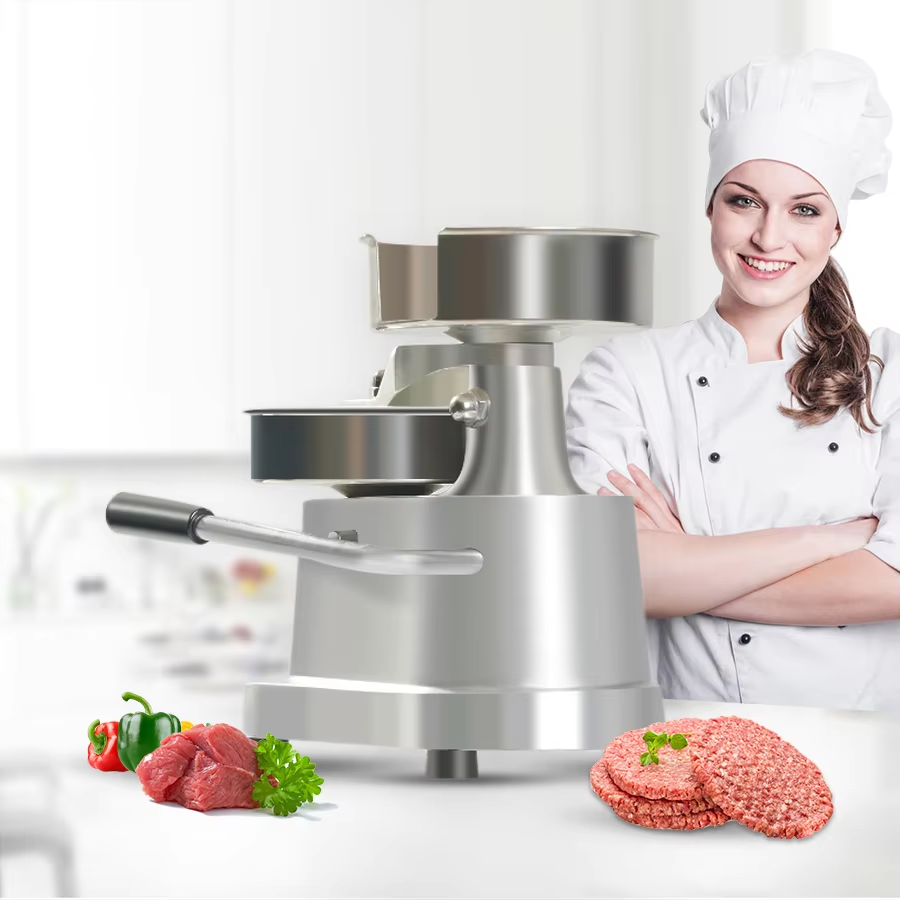
The Science Behind Meat Tenderizer Machines and Heat Transfer Uniformity
Why Natural Muscle Fiber Variability Disrupts Even Cooking
Meat is inherently non-uniform: muscle fibers vary in thickness, orientation, and collagen content across a single cut. Collagen—the primary protein in connective tissue—shrinks rapidly above 150°F, squeezing out moisture and creating dense, tough zones that impede heat conduction. Meanwhile, leaner sections heat faster and often overcook before thicker, collagen-rich areas reach proper doneness. This disparity leads to hot spots, dry edges, and undercooked cores—a hallmark of uneven thermal conductivity. Even skilled chefs struggle to overcome this biological variability without mechanical intervention. Recognizing this structural reality is the essential first step toward achieving consistent cooking outcomes with a meat tenderizer machine.
How Blade and Roller Mechanisms Break Down Connective Tissue for Consistent Thermal Conductivity
Commercial meat tenderizer machines address this challenge at the source by physically modifying the meat’s internal architecture. Precision-engineered blades pierce the surface in a controlled pattern, severing collagen strands and disrupting the connective tissue network that resists heat flow. Rollers then compress the meat to a uniform thickness, eliminating the natural variations that cause temperature gradients. This dual action delivers two key thermal benefits: First, fragmented collagen shrinks less aggressively during heating, preserving moisture and enabling more even heat distribution through the muscle matrix. Second, standardized thickness shortens the distance heat must travel from surface to core, allowing predictable and synchronized thermal equilibration. By homogenizing both internal structure and geometry, the meat tenderizer machine transforms biologically variable raw material into a thermally uniform substrate—ready for precise, repeatable cooking.
Precision Thickness Control: A Key Driver of Uniform Doneness
Adjustable Roller Systems in Commercial Meat Tenderizer Machines
Commercial meat tenderizer machines feature calibrated roller systems that compress meat to exact thickness tolerances—typically within ±0.5 mm. This mechanical standardization directly improves thermal predictability: natural density variations cause inconsistent heat absorption, resulting in overcooked edges and undercooked centers. Standardized thickness ensures uniform heat penetration rates, reducing cooking time variance by up to 40% compared to manually prepared cuts, according to industry-validated performance data.
Optimal Thickness Calibration (¼"–⅝") for Balanced Surface Caramelization and Core Equilibration
The ideal post-tenderization thickness for most steaks and chops falls between ¼-inch and ⅝-inch. Thinner profiles accelerate heat transfer but risk surface charring before the core reaches target temperature; thicker cuts retain moisture longer but often dry out externally during extended cooking. Within this optimal range, heat reaches the center just as the Maillard reaction completes on the surface—synchronizing crust development with internal doneness. Culinary testing confirms this balance yields uniform doneness while retaining up to 15% more juiciness than non-standardized preparations.
Electric vs. Manual Meat Tenderizer Machines: Balancing Speed, Control, and Consistency
When selecting between electric and manual meat tenderizer machines, commercial kitchens must weigh operational scale against precision requirements. Manual tenderizing depends heavily on operator skill and endurance, introducing up to 30% variance in thickness and tenderness across portions. Electric models deliver sub-5% variance per piece regardless of volume and process over 300 portions per hour—65% faster than manual pounding—freeing staff for plating and quality assurance. Crucially, their adjustable roller settings maintain exact thickness control, ensuring batch-to-batch uniformity. While the upfront investment is higher, foodservice operators report 15–20% less waste from over- or under-tenderized meat. High-volume operations gain clear advantages in repeatability and labor efficiency, whereas smaller kitchens may prioritize the lower cost and tactile feedback of manual units. Either approach—when applied consistently—bridges the gap between economical, tough cuts and premium, uniformly cooked results.
Validated Outcomes: Research Evidence Linking Meat Tenderizer Machine Use to Cooking Uniformity
USDA-Funded 2022 Trial: Reduced Internal Temperature Variance by 37% in Tenderized Steaks
A 2022 USDA-funded trial measured cooking uniformity in ribeye steaks prepared with and without a commercial meat tenderizer machine. Using embedded thermocouples logging core temperatures every 30 seconds during broiling, researchers found untreated steaks exhibited internal temperature spreads of up to 18°F between center and edge. Machine-tenderized steaks narrowed that variance by 37%, achieving a maximum spread of just 11°F. This improvement was attributed to the tenderizer’s combined effect: precision thickness calibration reduced conductive path length, while the blade pattern created uniform micro-channels for efficient heat migration. Notably, the tenderized group required 15% less resting time to thermally equilibrate—accelerating service flow. For operators, the outcome translates to fewer “red-in-the-middle” complaints and a 20% reduction in post-cook trimmings. These findings strongly support integrating a meat tenderizer machine into standard prep protocols to ensure reliable, batch-to-batch doneness consistency.
FAQ Section
What is the primary role of collagen in meat during cooking?
Collagen is a key protein in connective tissue, and it contracts significantly above 150°F, leading to moisture loss and tougher meat. This contraction can result in uneven cooking due to varying heat conduction.
How do meat tenderizer machines improve cooking uniformity?
Meat tenderizer machines use blades to disrupt collagen strands and rollers to compress meat to uniform thickness, ensuring even heat distribution and consistent doneness.
What thickness is ideal for meat after tenderization?
The optimal thickness for meat post-tenderization is between ¼ and ⅝ inches. This range balances surface caramelization with core temperature equilibration.
What are the advantages of electric meat tenderizer machines?
Electric meat tenderizer machines are faster, more consistent, and minimize waste compared to manual units. They reduce variance in tenderness and thickness, making them ideal for large-scale operations.
What evidence supports the use of meat tenderizer machines?
Research, such as the USDA-funded 2022 trial, demonstrates that meat tenderizer machines reduce internal temperature variance by up to 37%, leading to more reliable cooking outcomes and improved product consistency.
Table of Contents
- The Science Behind Meat Tenderizer Machines and Heat Transfer Uniformity
- Precision Thickness Control: A Key Driver of Uniform Doneness
- Electric vs. Manual Meat Tenderizer Machines: Balancing Speed, Control, and Consistency
- Validated Outcomes: Research Evidence Linking Meat Tenderizer Machine Use to Cooking Uniformity
- FAQ Section