
 EN
EN
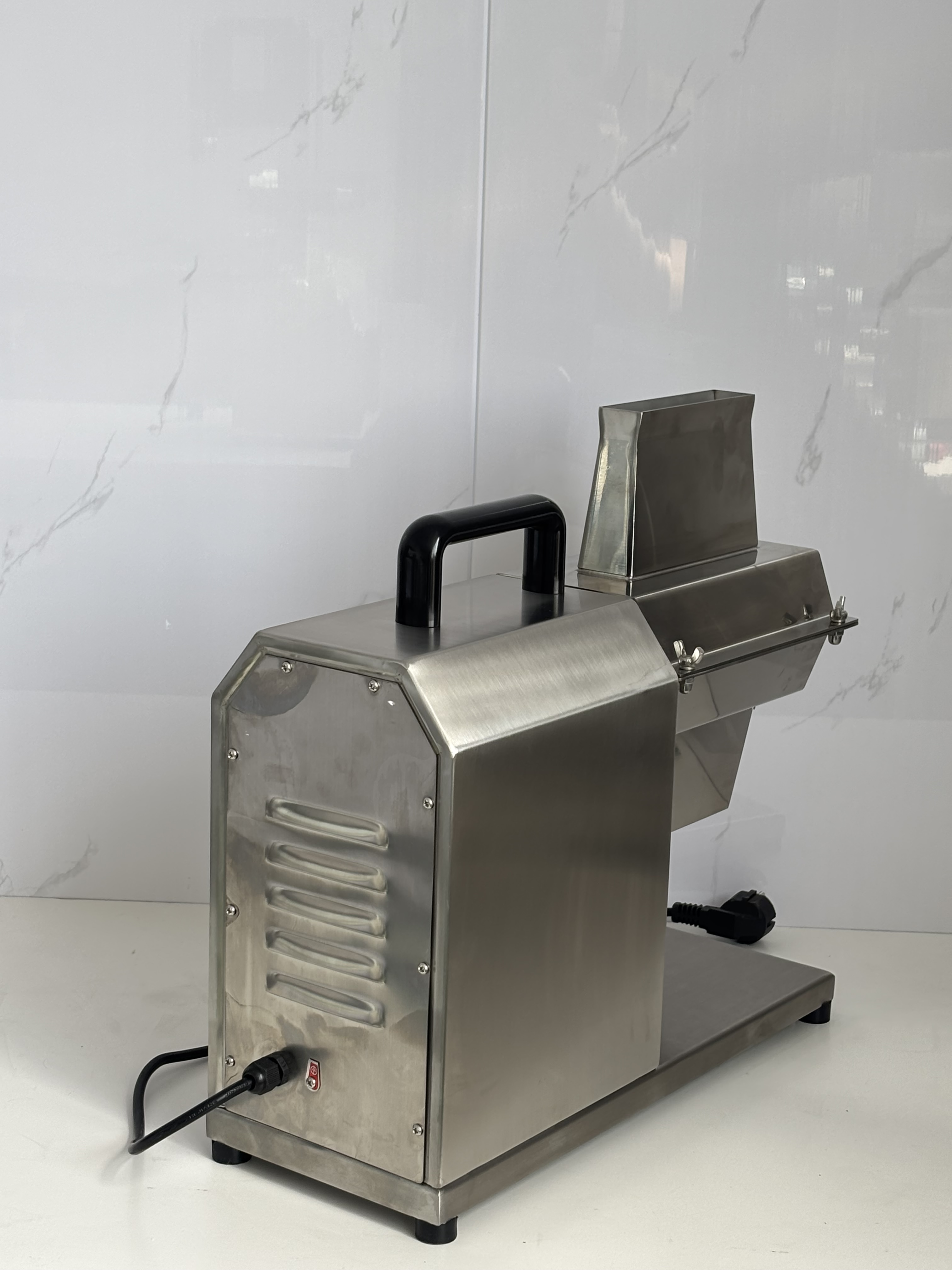
Consistent Texture at Scale: Solving the Core Challenge of Large-Event Catering
How mechanical tenderization ensures uniform fiber breakdown across hundreds of portions
For large scale catering operations where consistency matters most, mechanical tenderization addresses a real problem with texture control. Manual methods just don't cut it anymore because people get tired and techniques vary from one worker to another. That's why commercial meat tenderizers have become so popular in professional kitchens. These machines deliver consistent pressure using either sharp blades or tiny needles, creating those little channels throughout the meat that help break down the tough bits. Whether they're preparing just a few dozen meals or hundreds for an event, every piece gets treated the same way. What does this mean in practice? Meat cooks more evenly, holds onto moisture better, and nobody ends up with that frustrating chewy bite that ruins a perfectly good dish. Buffet lines run smoother too when there aren't unexpected tough spots slowing things down at busy times.
The guest experience impact: linking texture inconsistency to negative reviews and repeat business loss
When food textures aren't consistent, it really hurts both guest satisfaction and the bottom line for caterers over time. According to industry reports, about two thirds of people attending events complain most about meat that's too tough, which leads to bad reviews online and damages how trustworthy the brand seems. For corporate clients especially, if someone has a texture problem, they're around 22 percent less likely to book again. At wedding events, when meat isn't tender throughout, this issue often lands right in the top three reasons guests give poor overall ratings. That's why many professional kitchens now use mechanical tenderizing techniques. These methods ensure each plate tastes good no matter what part of the kitchen prepared it or when during service it gets served. Consistent texture becomes something that builds a solid reputation instead of costing business opportunities.
High-Capacity Meat Tenderizer Machines Meet Real-Time Production Demands
600–800 kg/h throughput: aligning machine output with tight catering prep windows
Catering for big events needs serious volume processing power because there's barely enough time to get everything ready. Commercial meat tenderizers that handle around 600 to 800 kilograms each hour really help avoid those frustrating delays when hundreds of dishes need simultaneous prep work. Think about those tense moments before wedding receptions start or during busy conference banquets where every minute counts. These machines basically take over what used to be super laborious hand work. Instead of needing roughly three extra staff hours just to process 100 kg manually, kitchens can now save that manpower for other essential tasks like proper marination periods, letting meats rest adequately, and ensuring all components are cooked right on schedule without any last minute scrambles.
Adapting tenderization intensity and geometry (single/double-sided) to diverse proteins and cuts
The ability to adjust tenderization settings makes all the difference when working with different proteins and varying cut thicknesses, whether it's something as delicate as chicken breast or tougher cuts like beef rounds. With single sided needles, chefs get just the right amount of penetration depth for thinner meats, keeping them intact but still breaking down those fibers evenly across the surface. For thicker stuff like pork shoulder, double sided setups come into play with their deeper pressure settings that can tackle dense meat without turning it into mush. This kind of flexibility really matters in restaurants serving multiple dishes at once, because nobody wants to bite into a steak that's either too tough or way too soft, which honestly drives customers nuts and leads to fewer repeat visits.
Operational Integration: How Meat Tenderizer Machines Streamline Catering Workflow
Seamless conveyor synchronization with flattening, marinating, and portioning stations
When a meat tenderizer gets built right into the automated production line, it really helps cut down on those annoying workflow bottlenecks that plague high volume catering operations. The system works pretty smoothly too. First there are these conveyor belts connecting with flattening rollers upstream that make sure everything comes out at the same thickness. Then the product moves straight into the marinating drums where flavors get properly infused before heading over to the portioning stations for accurate cutting sizes. No need for anyone to touch or transfer anything manually throughout this whole process. What does all this mean? Handling times drop somewhere around 35-40% when compared to separate machines. Plus, every single portion stays consistent no matter how many hundreds we're talking about. There's also less chance of contamination spreading through the kitchen. And let's face it, nobody wants their kitchen grinding to a halt during busy service periods. With this setup, most commercial kitchens can easily handle processing about 600 kilograms worth of various proteins even when they're working against tight preparation deadlines.
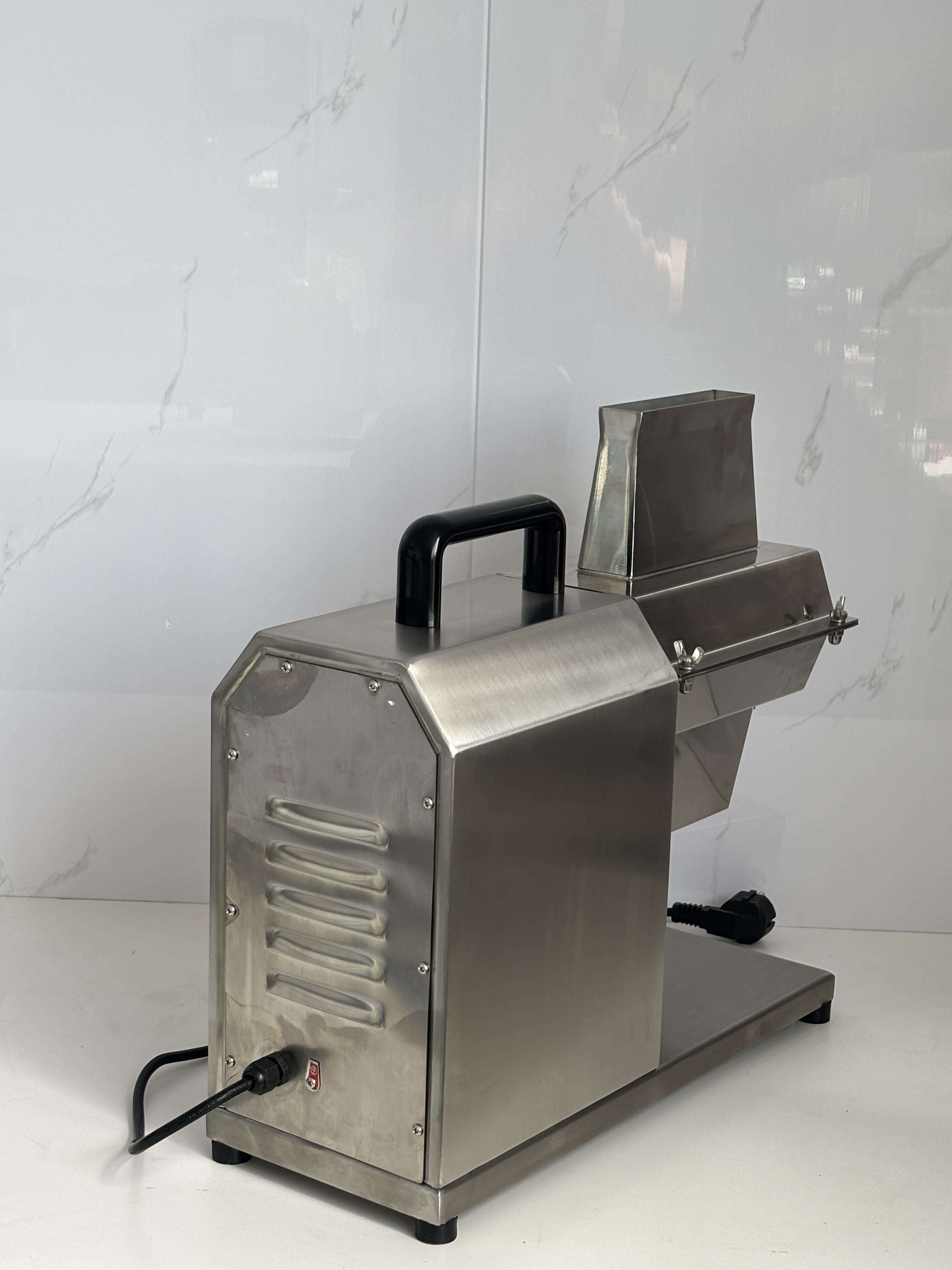
Food Safety, Labor Efficiency, and Durability in Commercial Meat Tenderizer Machines
IP56-rated motors and full stainless-steel construction for rapid, compliant sanitation
Stainless steel built for industry jobs stands up against rust and makes cleaning much easier according to HACCP standards after each production run. The motors are completely sealed with an IP56 rating so they can handle those intense pressure washes without losing power or efficiency. This means fewer bacteria hiding spots during big production runs where hygiene matters most. Equipment with these smooth surfaces cuts down on cleaning time by about forty percent compared to older models, which meets the latest NSF guidelines from last year.
Quantified labor savings: 3.2 staff-hours reduced per 100 kg processed
When we automate the tenderization process, it means no more manual pounding or scoring work, which saves a lot of time for kitchen staff. Industry research has shown pretty consistently that this cuts down on labor by about 3.2 hours for every 100 kilograms of meat processed. For bigger operations handling around 5,000 customers each month, that adds up to well over 200 hours saved just on this one task alone. What does all that free time mean? Staff can shift their attention to things that really matter, such as making sure the food meets quality standards and looks great when it reaches the table. Plus, since machines produce consistent results every single time, there's far less risk of getting complaints about tough textures that could hurt both customer satisfaction and how people perceive the restaurant overall.
Table of Contents
- Consistent Texture at Scale: Solving the Core Challenge of Large-Event Catering
- High-Capacity Meat Tenderizer Machines Meet Real-Time Production Demands
- Operational Integration: How Meat Tenderizer Machines Streamline Catering Workflow
- Food Safety, Labor Efficiency, and Durability in Commercial Meat Tenderizer Machines