
 EN
EN
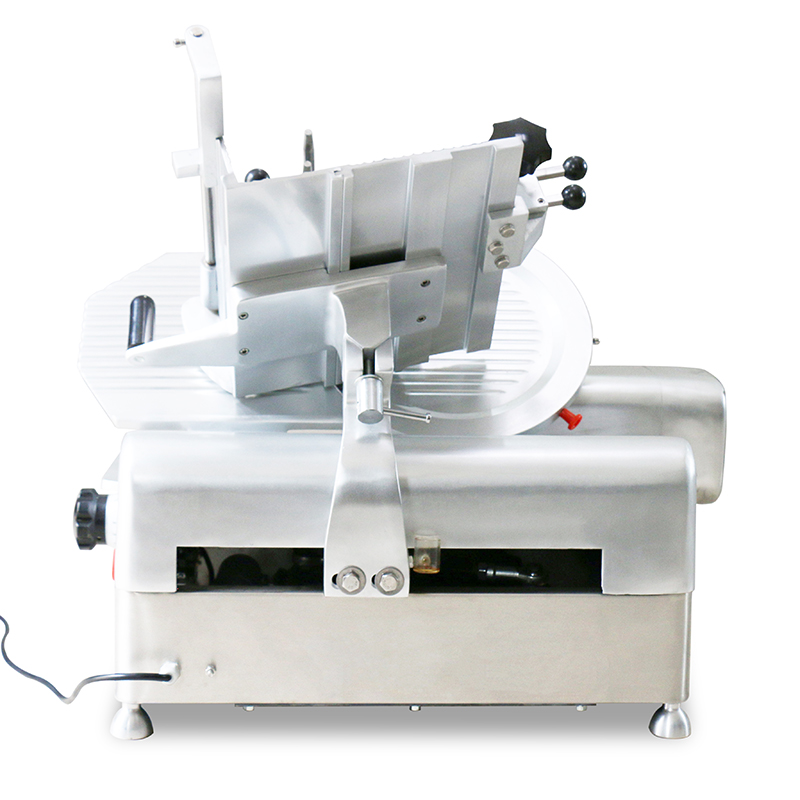
Boosting Throughput and Order Fulfillment Speed
Meeting Rising Deli Demand with Scalable Slicing Capacity
Deli counters are getting slammed these days, particularly around noon when everyone wants their sandwiches and during those crazy holiday rushes. Manual slicing just can't keep up, creating long lines and frustrated customers waiting for their orders. That's where automatic slicers come in handy. They give stores the ability to scale operations without needing extra staff every time business picks up. The numbers back this up too - according to FMI 2023 data, deli sales have been climbing between 5 and 7 percent each year. But finding good workers remains a headache for most grocery stores. Modular slicing setups allow managers to match output with actual demand throughout the day. During busy periods, this cuts down wait times by roughly 8 to 12 minutes on average while still maintaining consistent portion sizes that customers expect.
How Automatic Slicers Achieve 37–60 Slices/Minute in Continuous Duty
What makes these machines so fast? Let's look at three key innovations. First, there are those powerful servo-driven blades spinning at around 1200 RPMs. Then we have automatic feeders that adjust pressure as needed, making sure everything moves smoothly through the machine. And finally, thermal management systems keep motors cool during long runs, which prevents them from burning out after just a few hours. Manual slicing simply can't compete here. A person might manage about 25 slices per minute at best, but their speed drops off as they get tired throughout the day. Automatic slicers don't face this problem though. They keep going strong for entire 8 hour shifts thanks to heavy duty industrial motors and durable carbon steel blades designed specifically for constant operation. The programmable thickness settings range from 0.1mm all the way up to 20mm. This means operators don't need to stop and readjust when switching between different products, allowing production lines to run continuously without interruption most of the time.
Real-World Impact: Achieving 42% Faster Deli Order Fulfillment
One of the big name grocery stores in America rolled out these powerful automatic slicing machines at over 150 deli counters throughout their stores. The results were pretty impressive: during busy hours, it took just 4.3 minutes on average to fill an order compared to 7.5 minutes before – that's cutting down wait times by almost half! What's even better? The machines kept everything precisely portioned as required. Deli staff could handle several orders at once without sacrificing quality, which meant they served 28% more customers each day while spending 19% less labor cost per order according to the Grocery Efficiency Report for 2023. And customers noticed too – satisfaction ratings jumped up 31 points, showing that when done right, automation actually makes shopping experiences better in those super busy retail spots.
Reducing Labor Costs and Optimizing Staff Allocation
Addressing Retail Labor Shortages and Wage Inflation
Grocery store employees are getting paid around 22 percent more now than they were back in 2020 according to the Bureau of Labor Statistics (2024), while staff keep quitting at rates over 60% each year. Because of this, many supermarkets have started bringing in those automatic meat slicers for their delis just to cut down on labor costs. The machines basically take care of slicing meats themselves, so stores don't need as many workers doing it by hand anymore. And guess what? Stores actually maintain good service levels too. Looking at actual numbers from various chains, these automated systems seem to save between 15 and 30% on labor costs specifically in sections where food goes bad fast. That matters a lot right now because finding enough people to work is becoming harder day by day, especially with prices going up everywhere.
One Operator, Two Stations: The Staff Efficiency Advantage of Automatic Slicers
Automatic slicing equipment gives retailers more freedom when it comes to staff scheduling thanks to their basic set up and minimal supervision requirements. Manual slicing stations require workers to constantly monitor everything, but with automatic systems, one person can handle loading products at one end while another keeps slicing without interruption. According to Food Retail Operations Reports, this kind of two station setup cuts down on full time equivalent staff needed per shift by about 1.5 people. That leaves employees available for things customers actually notice, such as helping with special orders or just chatting with shoppers who walk in off the street. Stores also see around 40 percent more output for every hour worked because there's no downtime waiting between batches. Instead of scrambling to cover shifts last minute, managers can plan better how to allocate staff where they'll generate actual sales instead of just filling positions.
Minimizing Waste and Ensuring Portion Consistency
How Manual Variability (8–12%) Drives Shrinkage—and Why Automatic Slicers Eliminate It
When people slice meat manually, there's always going to be some variation between different workers. Research indicates portions can differ anywhere from 8% to 12% depending on who's doing the cutting. These inconsistencies lead to problems down the line. Stores end up losing product because too much gets cut off, there's extra trimming needed, and customers often send back packages they consider inconsistent. Considering how expensive cold cuts are these days around $14.50 per kilogram according to industry stats from last year, those little differences really start adding up for businesses. That's why many operations have switched to automatic slicers which take out all that guesswork. They set specific settings for thickness and pressure so each slice comes out pretty much identical every single time.
Precision Engineering: ±0.2 mm Tolerance for Uniform Slices and Reduced Trim Waste
Modern automatic slicing machines incorporate precision actuators along with laser guided calibration systems that can get within about half a millimeter for each slice, which is roughly four times better than what most people can do manually. When slices are consistently sized, there's no need to trim off those annoying tapered ends or deal with uneven pieces that waste so much product. Deli counters save money because they don't have to give away extra meat just to stay within FDA requirements for weights. Customers notice too. Uniform slices look nicer on display boards and nobody complains when their sandwich portions match what was promised. This attention to detail helps build trust over time and keeps sales coming in steadily.
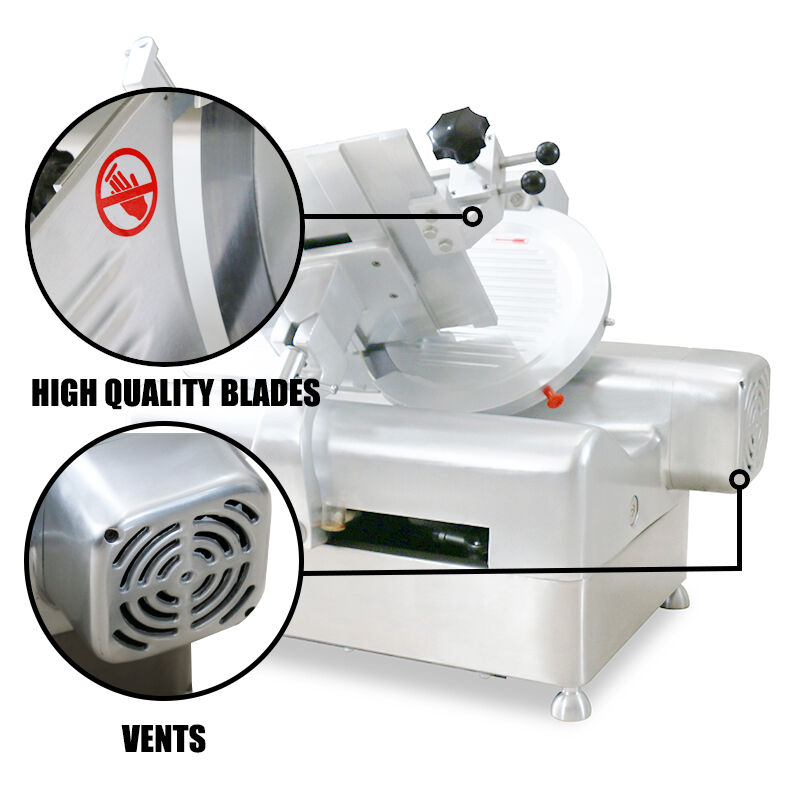
Enabling Centralized Production and Retail-Ready Packaging
From In-Store Slicing to Pre-Sliced, Vacuum-Sealed SKUs
The introduction of automatic slicers marks a big change in how stores handle fresh products. Instead of cutting things up right there in the store, companies now make everything at central locations where they slice, seal and package items before they even reach the retail floor. What does this mean? Less work for store employees who no longer need to deal with messy slicing operations. The packages come ready to go straight onto shelves without any unpacking or repackaging needed. Stores report saving around 30% on labor costs when using these systems. Plus, the vacuum sealing keeps products fresh 2 to 3 extra days compared to traditional methods. Retailers also notice something else happening - their brands look better on shelves because everything looks exactly the same. And there's another bonus: stores generate 8 to 12% less packaging waste overall. So it makes sense both economically and environmentally for businesses looking to streamline operations while still meeting green standards.