
 EN
EN

Why an Efficient Bone Saw Machine is a Must-Have for Meat Processing
The Critical Role of Bone Saw Machines in Modern Meat Processing
Rising Demand for Precision in Meat Cutting
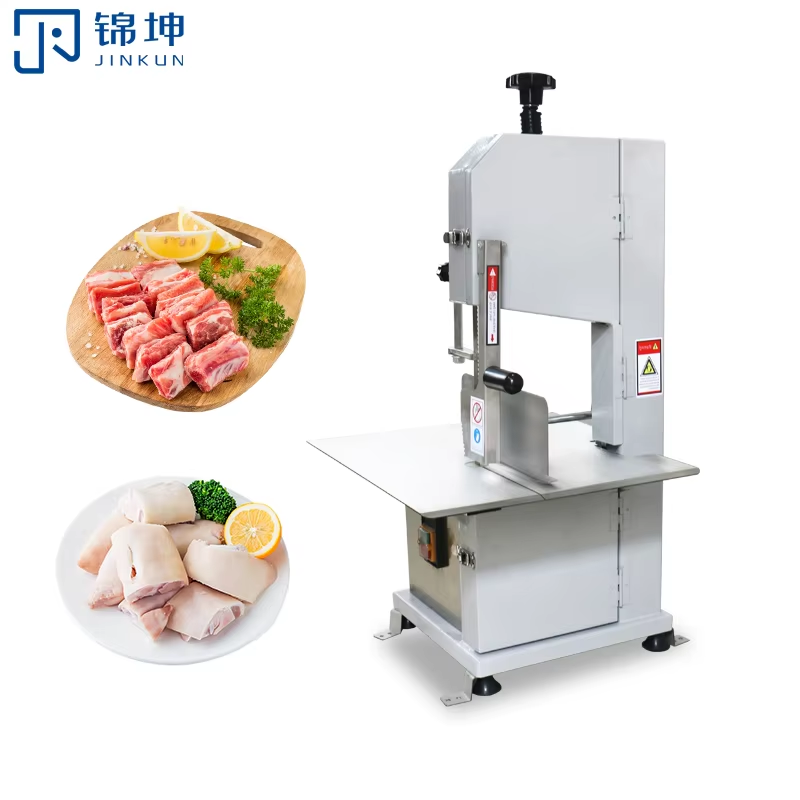
The meat processing industry has turned to bone saw machines these days because consumers want their cuts looking exactly the same every time. Butchers and restaurant kitchens need those really precise measurements when cutting up steaks, ribs or chops something that just doesn't happen reliably with knives and hands alone. A recent report from Food Processing Equipment folks back in 2023 found that these automatic saws cut down waste around 12 percent better than traditional hand cutting techniques. They do this through better aligned blades and sensors that adjust pressure as needed. For premium cuts such as pork loins and tenderloins where even small improvements matter, this kind of exactness means more product coming out of each carcass which translates into real money saved at the bottom line for processors.
From Manual to Automated: The Shift in Meat Processing Systems
Switching out old fashioned cleavers for automated bone saws is all about keeping up with what the industry needs these days. According to a recent report from NAMI in 2023, almost half (that's around 45%) of meat processing facilities across America have made the switch to automated cutting equipment just to keep their production numbers where they need them. The benefits go way beyond just faster processing times too. Companies are seeing their labor expenses drop between 18 and 22 percent, plus there's less chance of mistakes happening during those repetitive cutting jobs. Take a look at some real world examples from chicken processing plants where electric saw installations boosted output levels by as much as 60%. For many plant managers, this kind of performance jump makes spending money on new technology worth every penny, especially when older systems start showing their age.
Integrating Bone Saw Machines into Existing Production Lines
When upgrading bone saw equipment, there's no getting around the need for it to work well with current conveyor speeds, meet sanitation requirements, and follow all safety regulations. Today's newer models come with modular setups that let operators tweak feed rates between roughly 5 to 25 cuts per minute, which makes them fit right into most production lines without major disruptions. Take one frozen pork processing plant for example they installed a bandsaw type bone cutting machine alongside their blast freezer system. The result? They managed to keep those meat cuts at a steady -20 degrees Celsius throughout processing without any interruptions in production. According to recent data from the Meat Processing Technology Review published last year, almost eight out of ten facilities now look first at retrofit options before considering complete line replacements because nobody wants to spend big bucks on entirely new machinery when smart upgrades can do the trick just fine.
Maximizing Efficiency with Automatic Bone Saw Machines
Speed, Consistency, and Output: Measuring Real-World Performance
Bone saw machines that run automatically boost productivity thanks to their synchronized blades and those PLC controllers everyone talks about now. According to some recent testing done last year, these machines handle around one ton of meat every single hour, and they keep things pretty consistent too – about 98% of all those pork loins come out looking basically identical. What makes them so valuable? Well, for starters, no more worrying about human error in measurements. And get this – they maintain angle precision within half a degree, ±0.5° if we want to be exact, even when dealing with frozen cuts that are notoriously tricky to work with.
Data Insight: 40% Faster Processing Compared to Traditional Methods
Automatic models complete bone-in pork processing 15 minutes faster per carcass than manual methods, reducing labor costs by $18/hour in high-volume operations. Performance metrics highlight significant improvements:
| Metric | Traditional Saw | Automatic Bone Saw | Improvement |
|---|---|---|---|
| Cuts per hour | 220 | 310 | +40% |
| Energy consumption | 3.2 kW/h | 2.1 kW/h | -34% |
| Blade lifespan | 120 hours | 400 hours | +233% |
Balancing Automation and Skilled Labor in Meat Processing
While automation handles 82% of repetitive cutting tasks, skilled workers remain vital for quality control and system optimization. Leading plants report:
- 15% faster troubleshooting when combining automated alerts with operator expertise
- 30% higher yield retention during blade changeovers through technician-guided calibration
- 7:1 ROI over three years when pairing advanced saws with targeted staff training
Achieving Precision and Reducing Waste in Meat Cuts
Consumer Demand for Uniform Meat Portions
Today’s consumers expect restaurant-grade consistency in retail meat—84% rank portion uniformity as a key purchasing factor (2023 National Meat Buyer Survey). To meet this standard, processors use bone saw machines that deliver steak thicknesses within ±1 mm and consistent rib dimensions, eliminating the “miscut†losses common with manual saws.
Blade Technology and CNC Control for Accurate Cutting
Carbide blades last through 8,000+ cutting cycles, while CNC (Computer Numerical Control) systems adjust angles in 0.5° increments for complex bone-in cuts. Laser-guided positioning and pressure sensors automatically recalibrate blade speed when encountering frozen tendons, reducing jagged edges by 73% compared to older equipment (2024 Industrial Blade Technology Report).
Case Study: 18% Reduction in Waste During Frozen Pork Segmentation
One processor in the Midwest managed to save around $217k every year after switching out their old equipment for automated bone saws specifically designed for separating frozen pork loins. The new machines had these dual blades working together at exactly the right time, plus they could handle operation at a chilly -20 degrees Celsius. This combination really cut down on those annoying bits of meat getting stuck between the ribs during processing. What used to be an 82% usable yield suddenly jumped all the way up to 91%. Some folks actually did thermal imaging tests later on and found that keeping those blades at consistent temps stopped any texture issues caused by partial thawing. Turns out this was causing quite a bit of waste without anyone even realizing it back then. A study published last year in the Frozen Meat Processing Journal confirmed what many suspected but hadn't measured before.
Boosting Productivity, Safety, and Profitability
Linking Bone Saw Efficiency to Higher Yield and Lower Costs
Automated bone saw machines align cutting precision with throughput needs, helping facilities achieve 12–15% tighter yield margins than manual methods. Programmable blade trajectories minimize meat loss around bones, lowering raw material costs per kilogram of finished product.
Data Insight: 25% Increase in Yield Lowers Cost Per Unit
A 2023 Food Processing Journal study of 48 meat plants found automated bone saw adoption correlated with a 25% average yield improvement in beef rib processing. This gain reduced production costs by $0.38 per kg through better portion control and less rework.
Safety Features: Guard Systems, Emergency Stops, and Hands-Free Operation
Modern designs include laser-guided blade guards and 0.2-second emergency brake systems that activate upon detecting abnormal vibrations. Facilities using these features reported a 62% reduction in blade-related incidents (Occupational Safety Quarterly 2024). Conveyor-fed loading keeps operators at a safe distance from cutting zones, enhancing workplace safety.
Advanced Bone Saw Technology for Frozen Meat Applications
Growing Demand in Frozen Meat Distribution Networks
When expanding frozen meat distribution networks, the right equipment becomes absolutely essential for handling those thick, icy products without damaging them. Looking at government stats, some areas report over 250 thousand tons of frozen pork stockpiled each year. That kind of volume just doesn't work with old school methods or basic machinery anymore. Because of this growing need, many facilities have started investing in these specialized bone saw machines. These tools aren't just about cutting through meat faster either. They're built specifically for accuracy in cold storage conditions while keeping workers safe from injuries caused by slipping on ice or mishandling heavy cuts. Some plants even report reduced waste rates after switching to these newer systems.
Cold-Resistant Blades and Stable Motor Performance in Sub-Zero Conditions
Modern systems use carbide-tipped blades engineered to resist brittleness and warping at -20°C. Coupled with thermally protected motors, they maintain consistent torque during prolonged frozen meat processing. The 2024 Frozen Meat Processing Report found ice residue-related blade failures dropped by 63% after switching to cold-optimized systems.
Case Study: Reliable Performance in Industrial Freezing Environments
One major meat processing plant recently installed automated bone saw machines across 20 production lines, boosting their output to around 1.2 tons of cut product each hour even at freezing temperatures of minus 18 degrees Celsius. These new systems ran practically non-stop for half a year straight, clocking in at 98% uptime while handling all that heavy workload day after day. Traditional machines would need frequent stops for defrosting every single hour, so this kind of performance is truly impressive. The consistent operation makes a big difference when running cold chain operations where any downtime can disrupt entire supply chains in the frozen food industry.